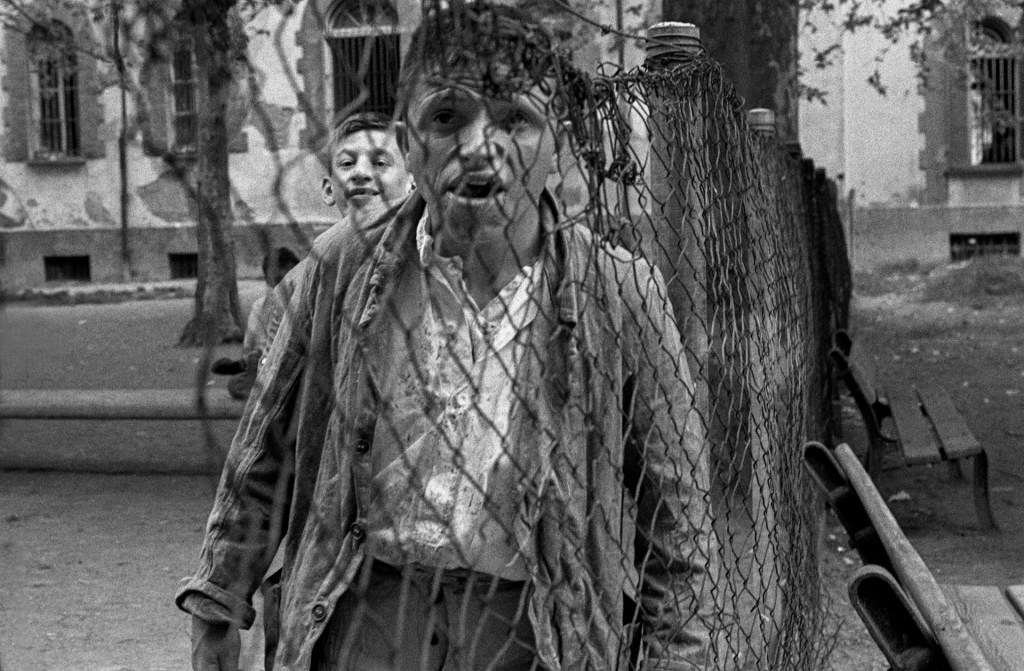
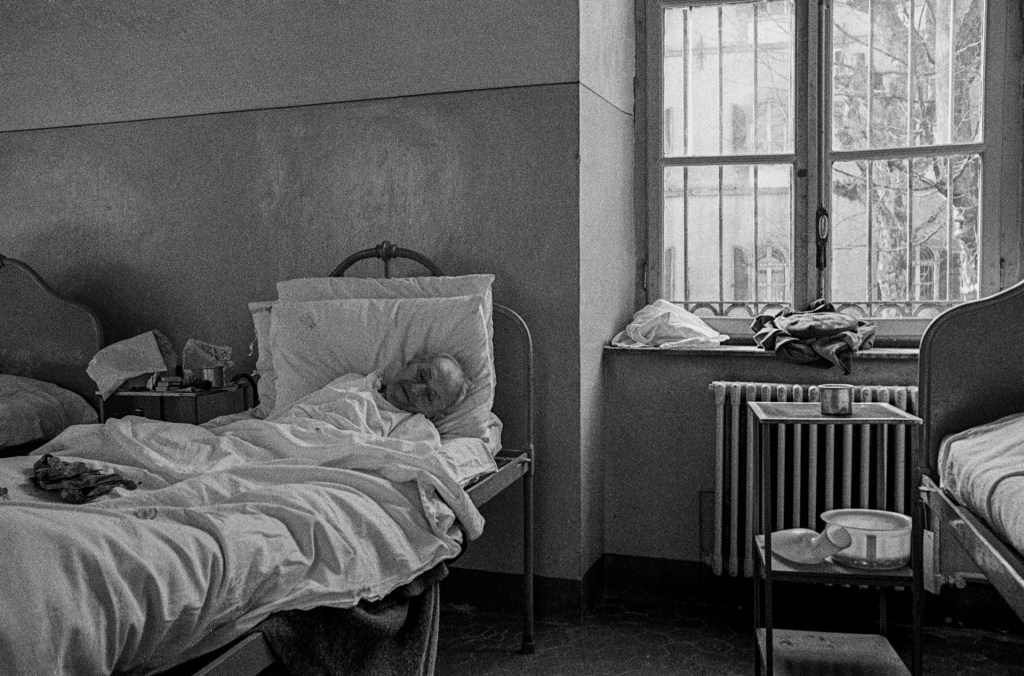
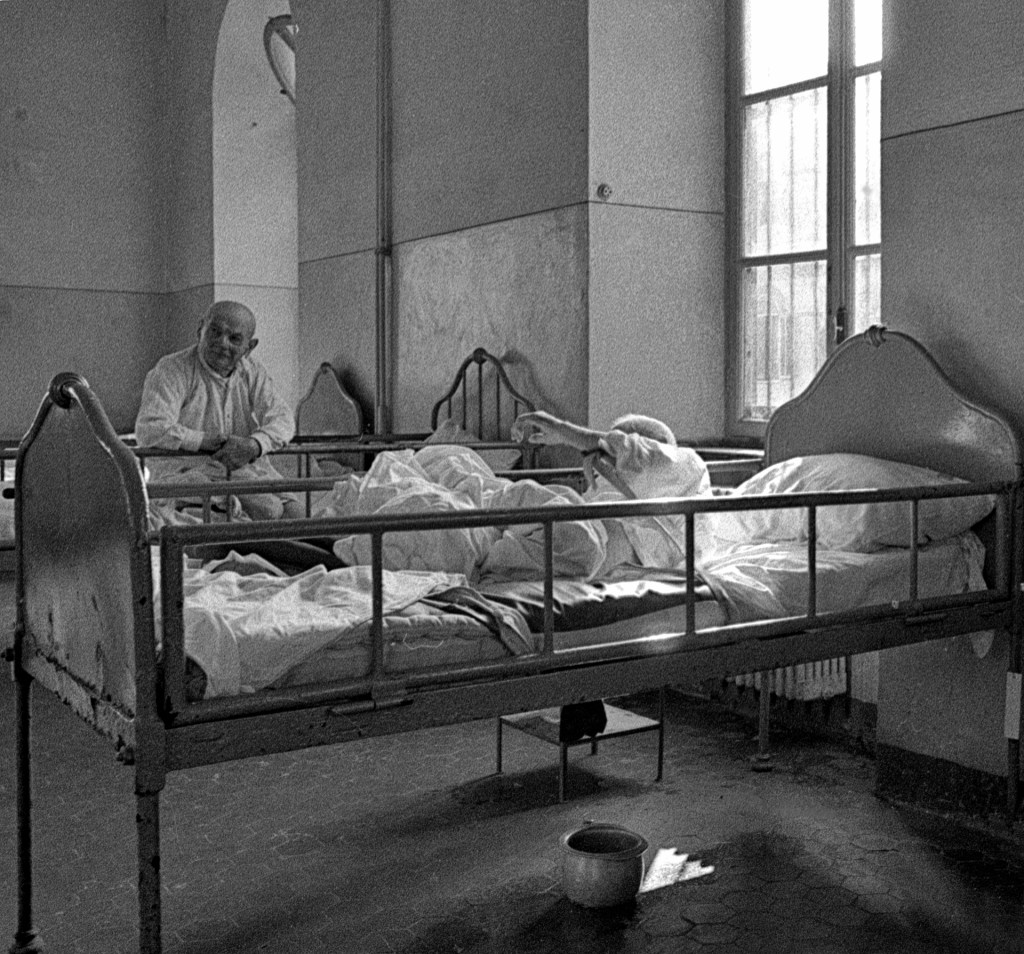
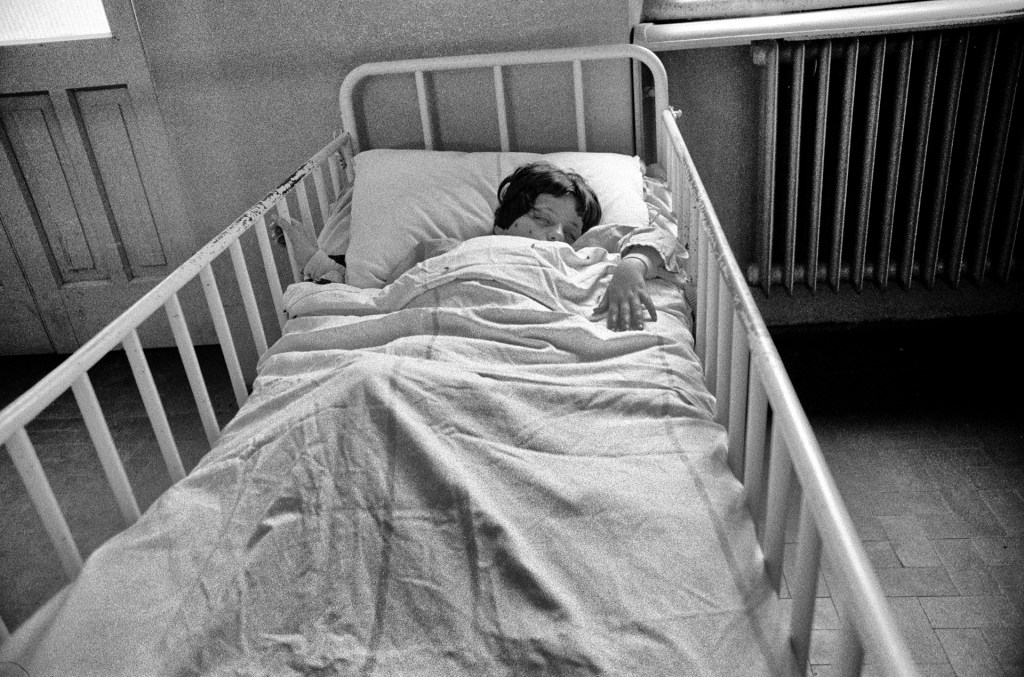
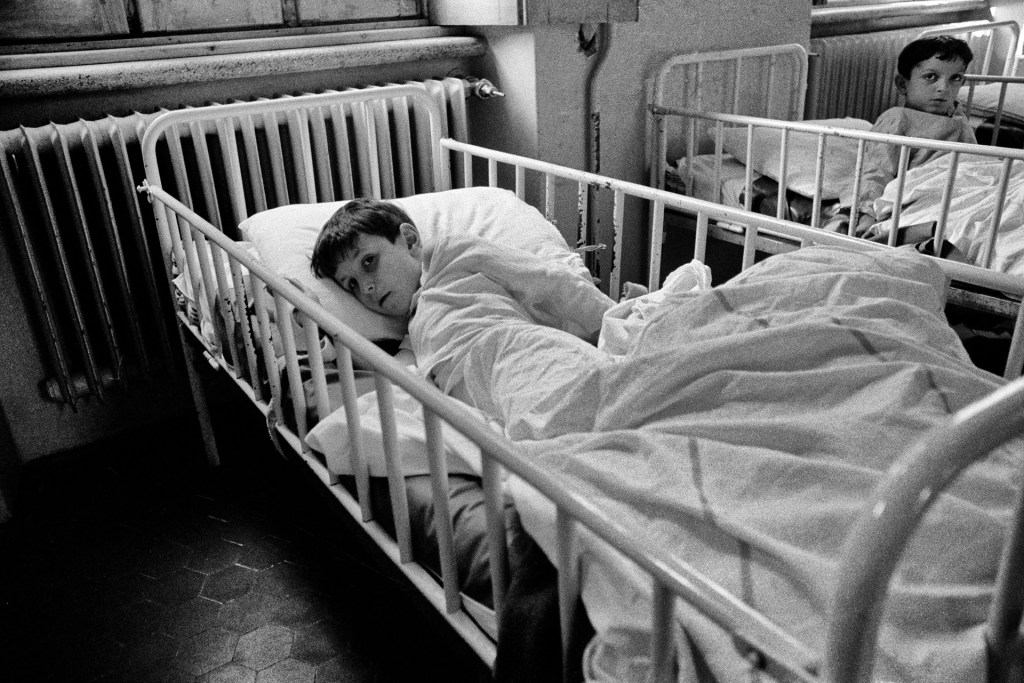
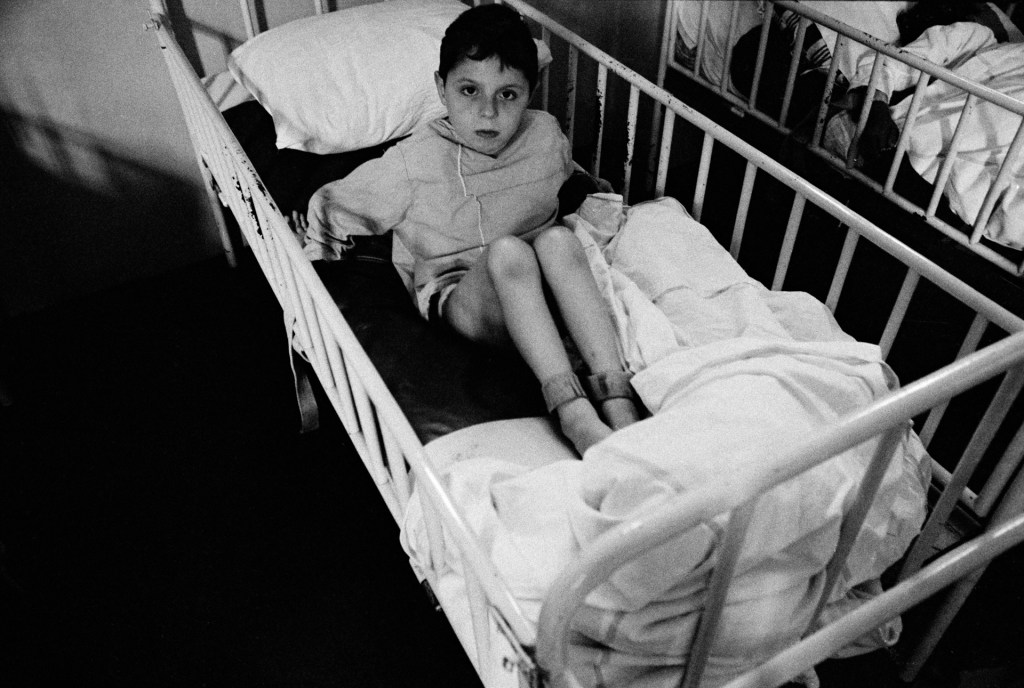
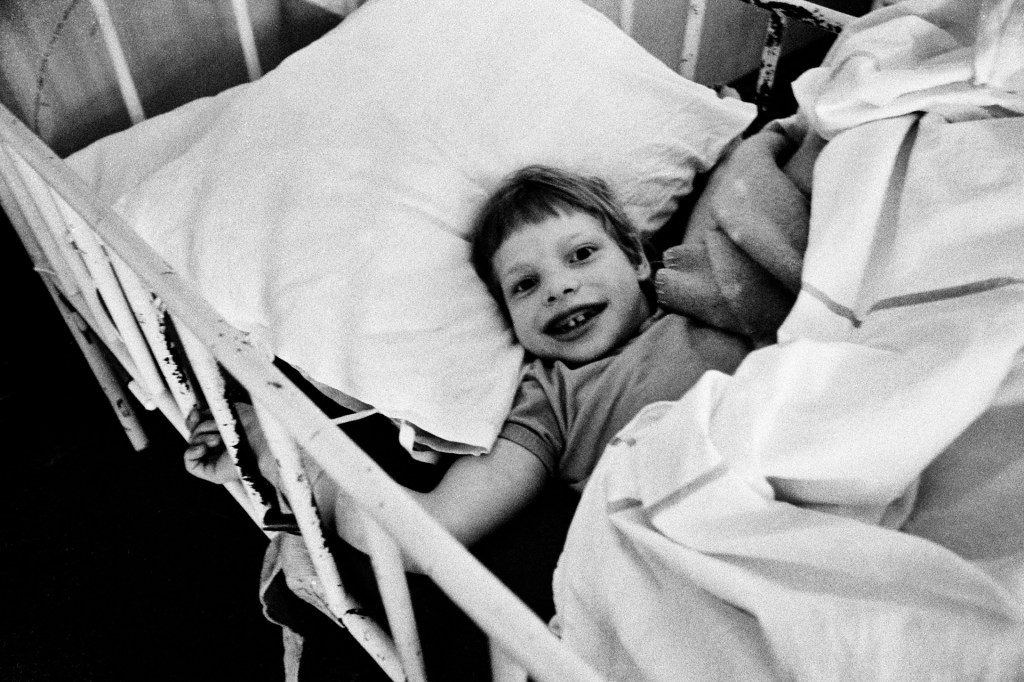
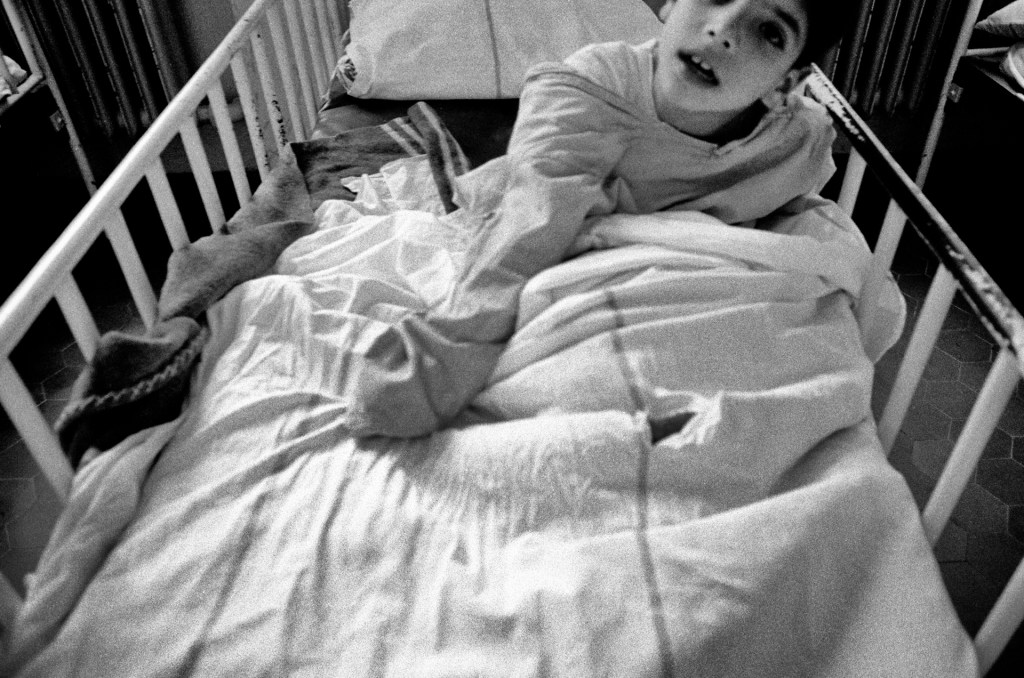
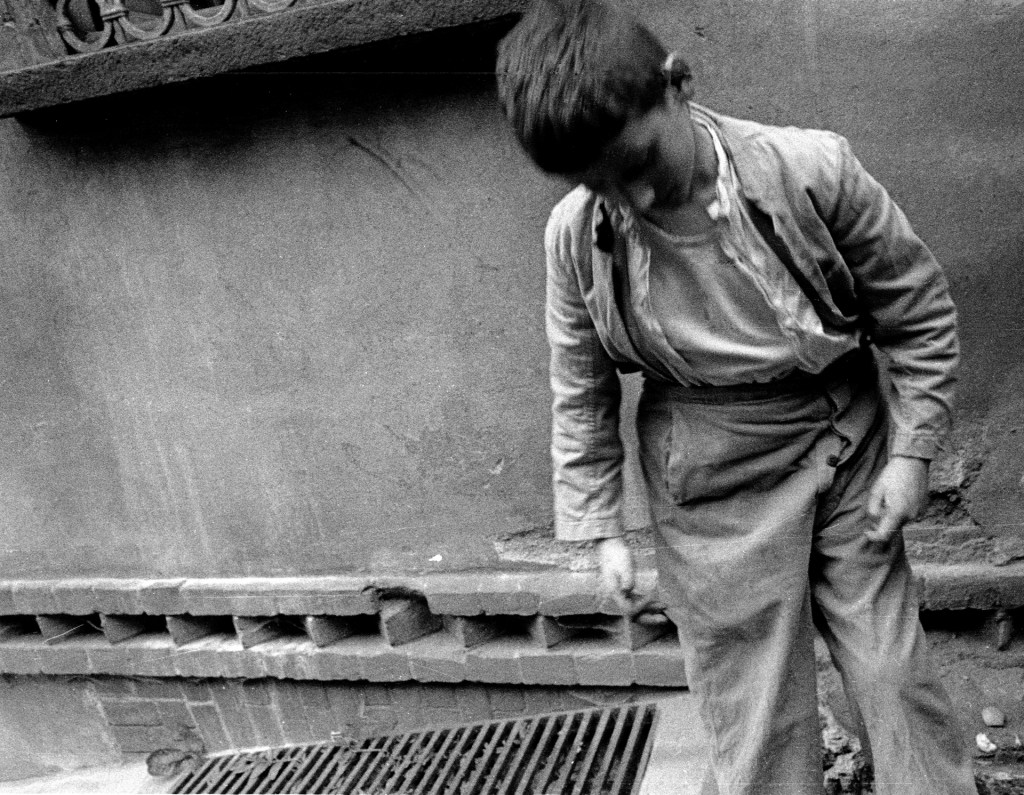
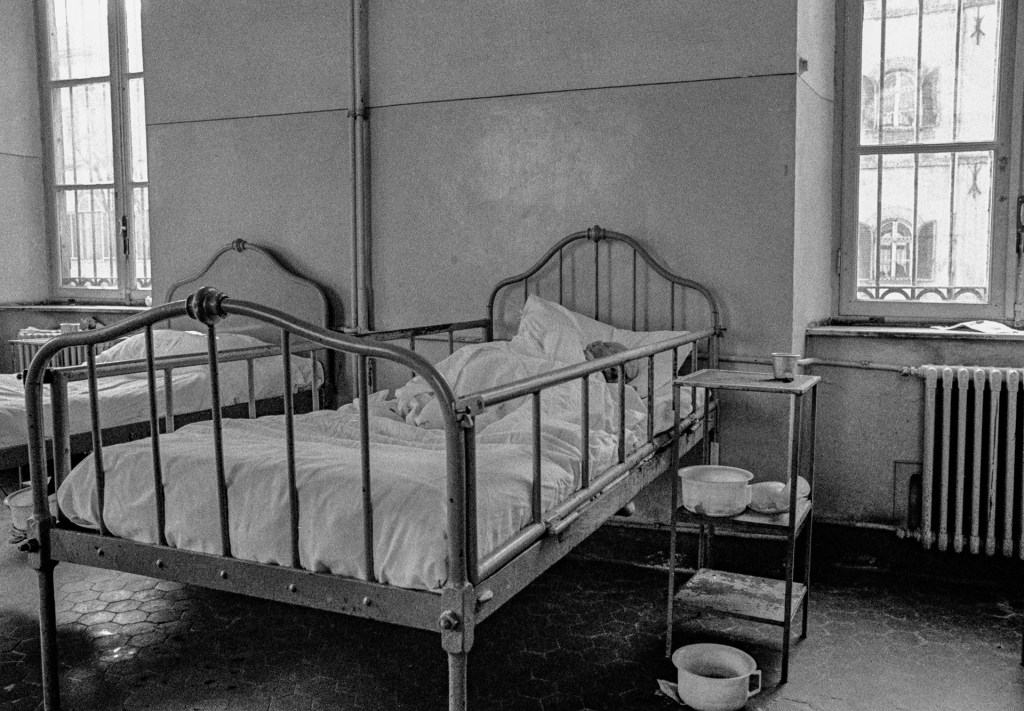
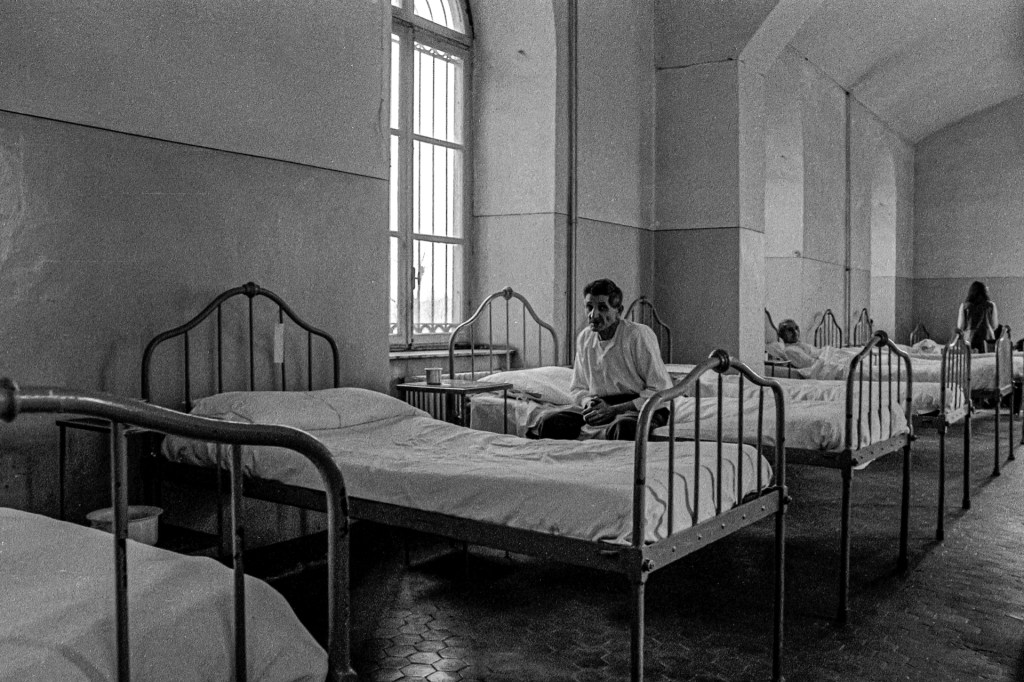
Among Mauro Vallinotto’s most powerful and enduring works is his documentation of the psychiatric hospitals of Turin between the late 1960s and early 1970s, carried out by entering the facilities with his camera concealed under his clothes. Through stark and incisive black-and-white images, he revealed the reality of life inside these institutions — from overcrowded wards to the daily suffering of patients deprived of dignity and care.

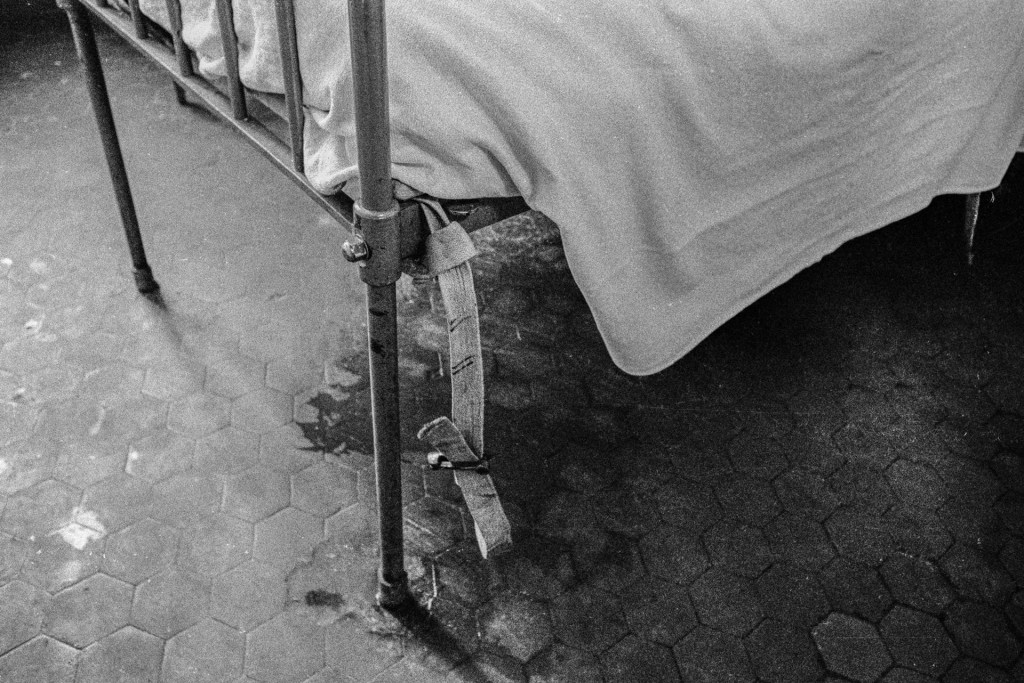
The series on Villa Azzurra, a psychiatric facility for children near Turin, remains one of his most shocking testimonies. Vallinotto’s photographs exposed the harsh conditions endured by minors: restraint, neglect, and the absence of basic human rights. These images became part of the national debate that, a few years later, would lead to the historic Basaglia Law and the closure of psychiatric asylums in Italy.
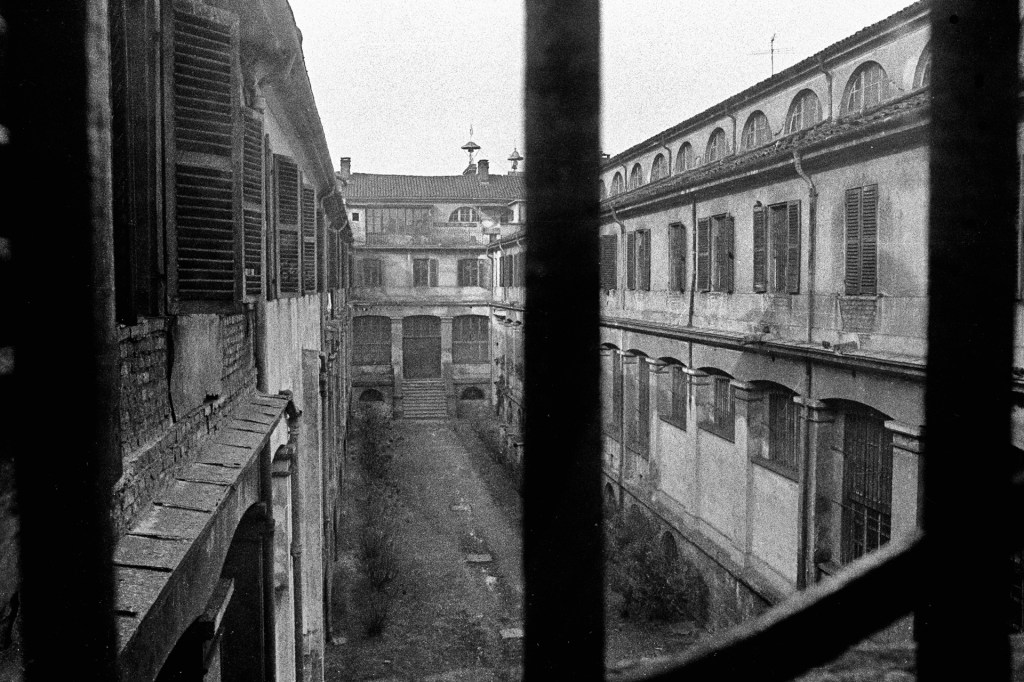
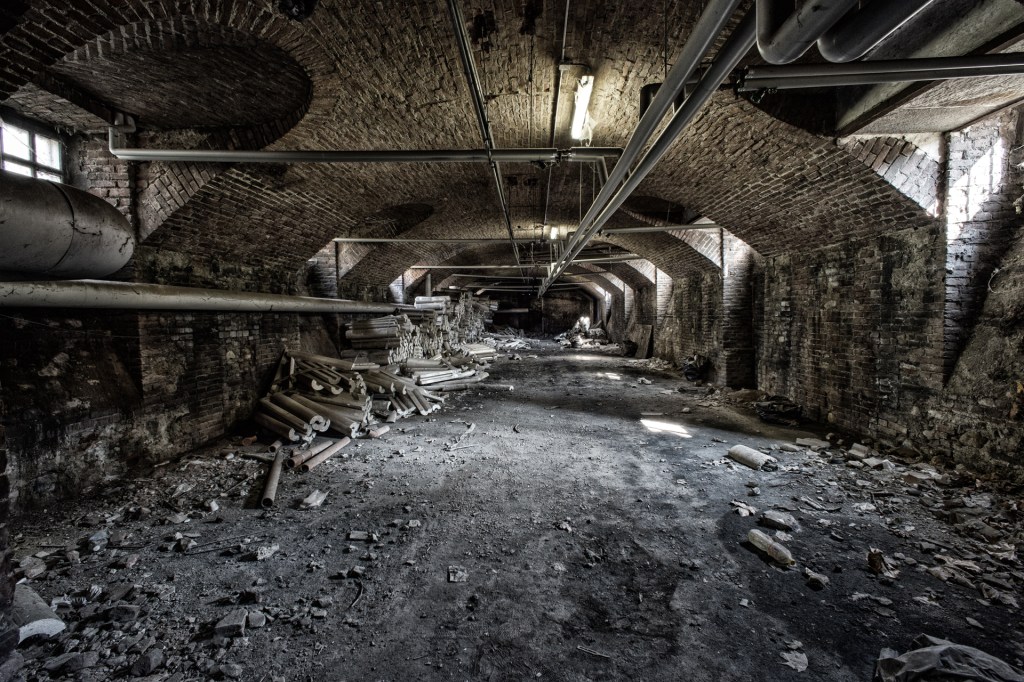
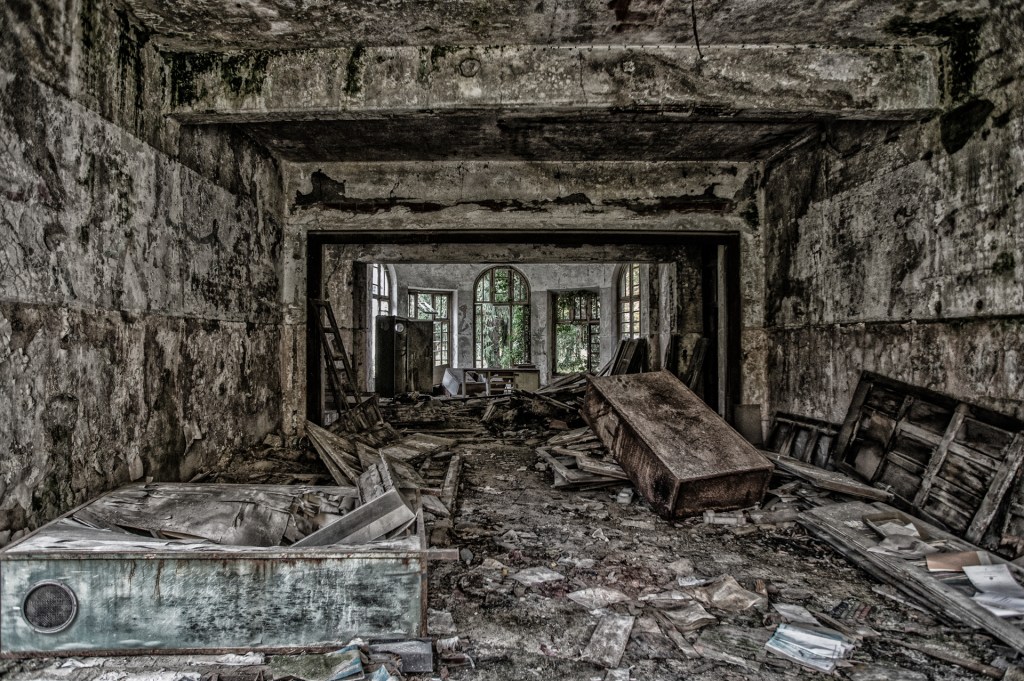
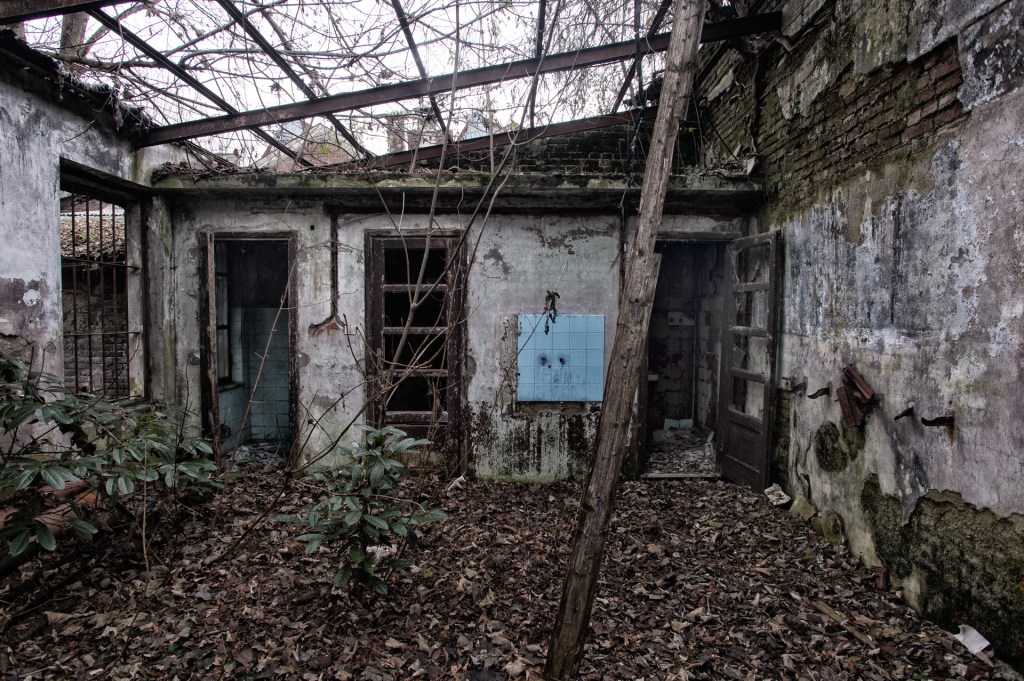
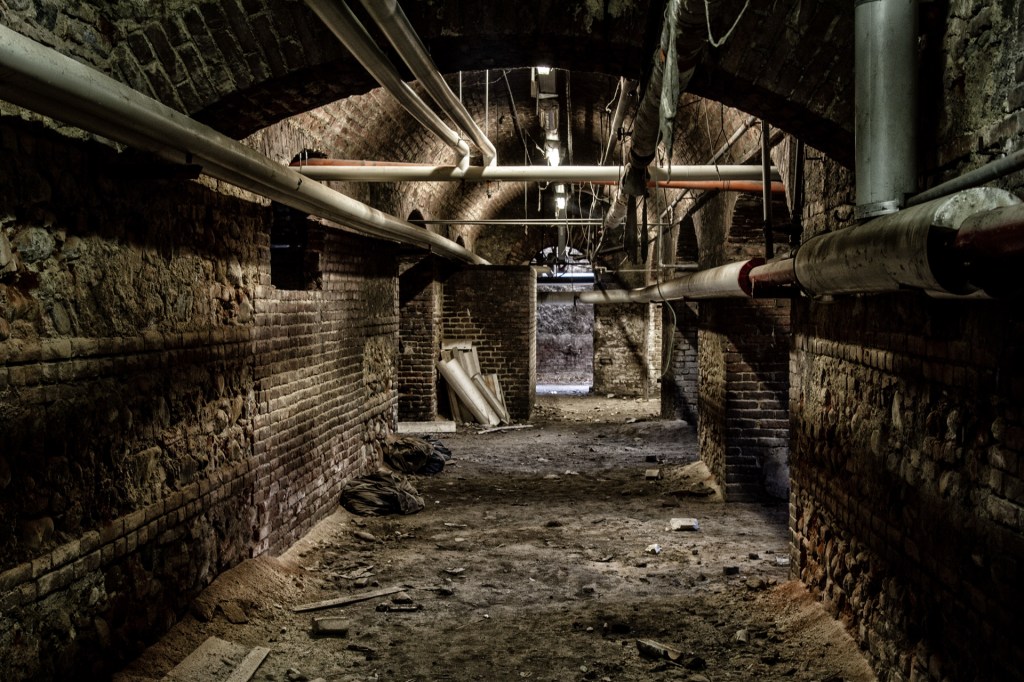
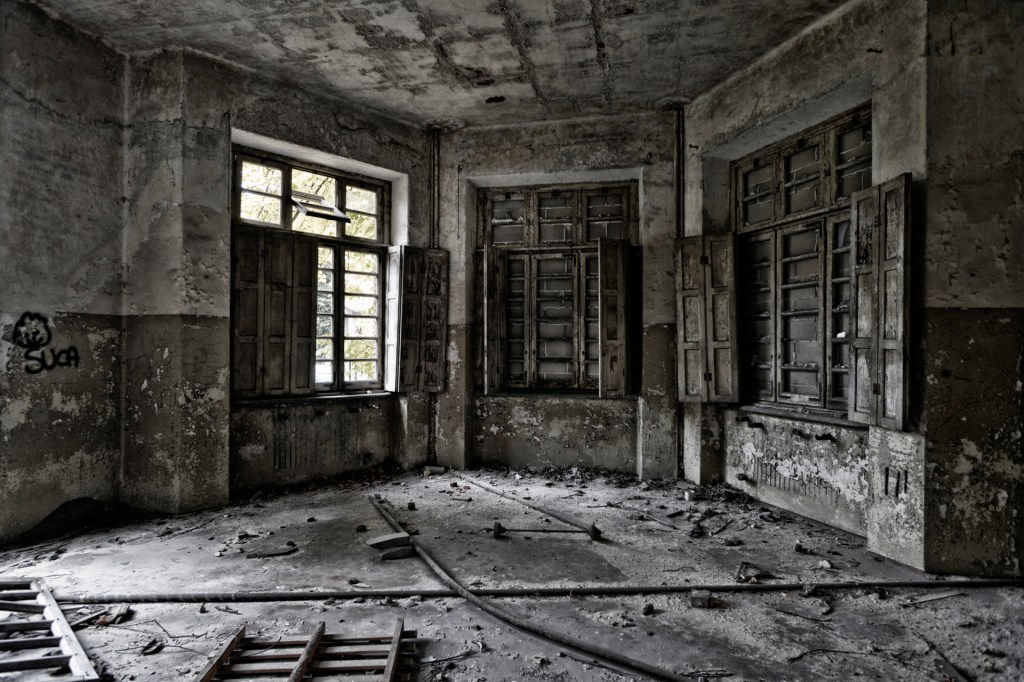
Decades after documenting life inside Italy’s psychiatric institutions, Mauro Vallinotto returned to photograph these places once more. Today, the asylums stand abandoned — their crumbling walls, empty corridors, and traces of neglect silently bearing witness to a dark chapter of history.
These recent images are not only a reflection on the passage of time, but also a reminder of the resilience of memory. By revisiting these spaces, Vallinotto transforms ruins into testimony, ensuring that what happened within those walls is neither forgotten nor repeated.