Mauro Vallinotto was born in Turin in 1946 and approached photography at the end of the 1960s, with a particular focus on the social issues of that period. His first shots depicted the conditions of immigrants from southern Italy and the workers’ struggles at FIAT: works that immediately led him to collaborate with the weekly magazine L’Espresso.
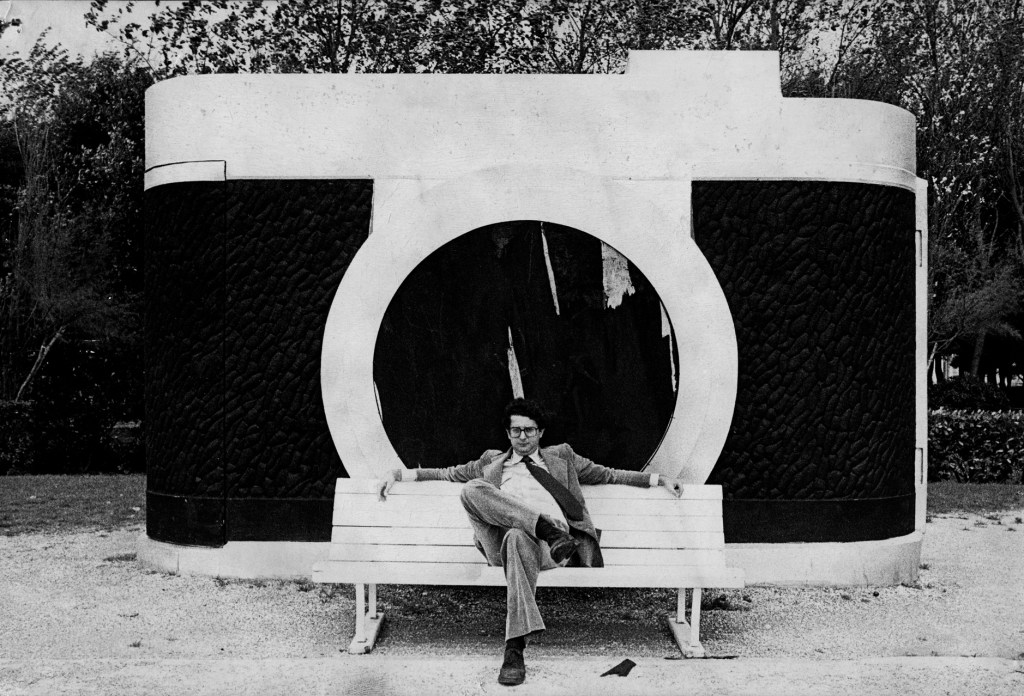
Mauro Vallinotto è un autore sempre sorprendente: scorri le sue immagini e ti trovi di fronte il gusto spettacolare della fotografia americana ma anche quell’inquieto “usare la verità come pregiudizio” predicato da Gene Smith, la ricerca di ogni accostamento stridente ma anche la scoperta dei “mostri” quotidiani colti con una determinazione degna di Diane Arbus.
Mauro Vallinotto is an ever-surprising author: as you scroll through his images, you encounter the spectacular flair of American photography, but also that restless attitude of “using truth as a prejudice,” as preached by Gene Smith. You see the pursuit of every striking contrast, but also the discovery of everyday “monsters,” captured with a determination worthy of Diane Arbus.
– Roberto Mutti
Between 1969 and 1970, riding the wave of the battles for the dismantling of psychiatric asylums led by Franco Basaglia, he produced a series of reportages by clandestinely entering Turin’s mental hospitals, hiding his camera under his clothes. In particular, his images of the children at Villa Azzurra hospital, tied to their beds and published in L’Espresso, caused a major media outcry and pushed the judiciary to intervene, marking the beginning of the dismantling of the institution.
In the early 1970s he joined the Milan editorial office of L’Espresso: he closely followed the battles for divorce and abortion rights, documented the years of terrorism and bombings, and traveled across Europe to cover the Carnation Revolution in Portugal, tensions in Northern Ireland, Franco’s funeral in Spain, and everyday life in the Soviet bloc countries. During those years, he also collaborated with Time and Fortune, producing stories from Italy, France, and the Balkans.
A professional journalist since 1982, he later moved to the weekly Panorama where, as head of the photo department, he produced dozens of covers and portraits of leading figures in politics, culture, and fashion. One of his reportages inside Naples’ Poggioreale prison earned him a place among the finalists for the Eugene Smith Award.
Since 1988 he has worked at Famiglia Cristiana, coordinating large-scale projects, including a series of volumes dedicated to the 500th anniversary of the discovery of the Americas. The following year he joined Il Venerdì di Repubblica where, as a special correspondent, he covered major events at the end of the century: from U.S. elections to Saddam Hussein’s Iraq, from child labor exploitation in Southeast Asia to the emerging technological revolution.
In 2000 he became photo editor of the weekly Specchio della Stampa in Milan, a role he later held as picture editor-in-chief in the central newsroom of the Turin daily. In more recent years, he has collaborated as an image consultant with the ANSA agency, curating exhibitions and publications for some of Italy’s most important cultural institutions.
After many years spent in editorial offices, he returned to the camera. In 2024, he exhibited Paesaggi industriali (Industrial Landscapes) at the National Museum of the Risorgimento, a journey through the urban transformations of Turin, dedicated to telling the story of half a century of changes in the city and its economic and social fabric.
His photographs have been displayed in numerous solo and group exhibitions in Italy and abroad, and today are part of the collections of MAST in Bologna, CSAC in Parma, and MUFOCO in Cinisello Balsamo near Milan.
Among his best-known publications: Un certo sguardo (Editori Riuniti, 1997), Torino ’69 (Laterza, 2019), on trade union struggles and everyday life in working-class Turin, and Vite dure (Graphot Editore, 2025), dedicated to the stories of Italian emigrants in Belgium and Germany.
