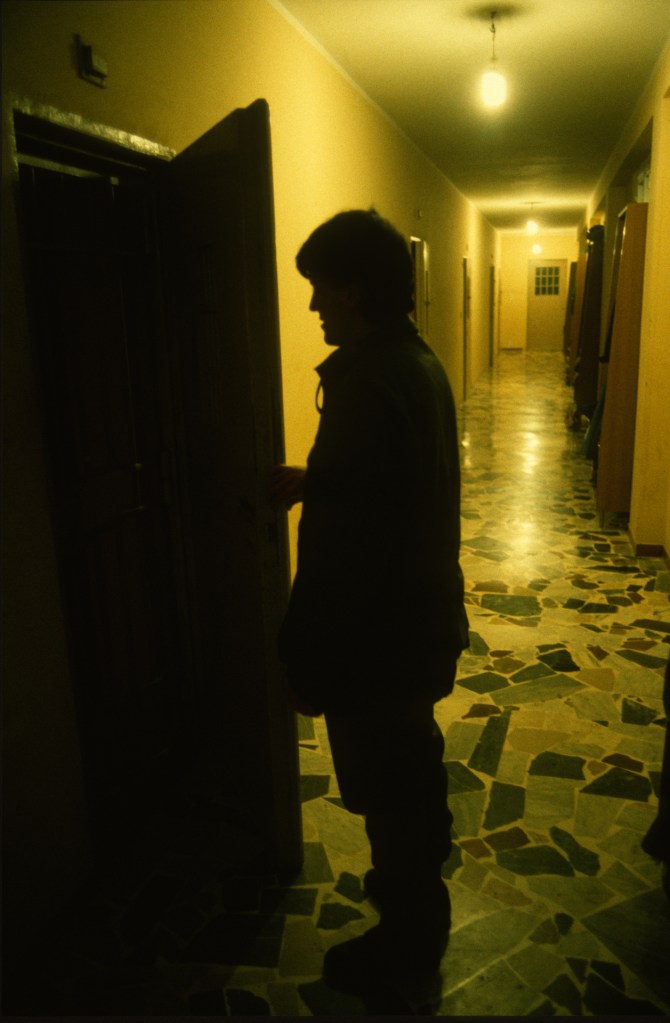
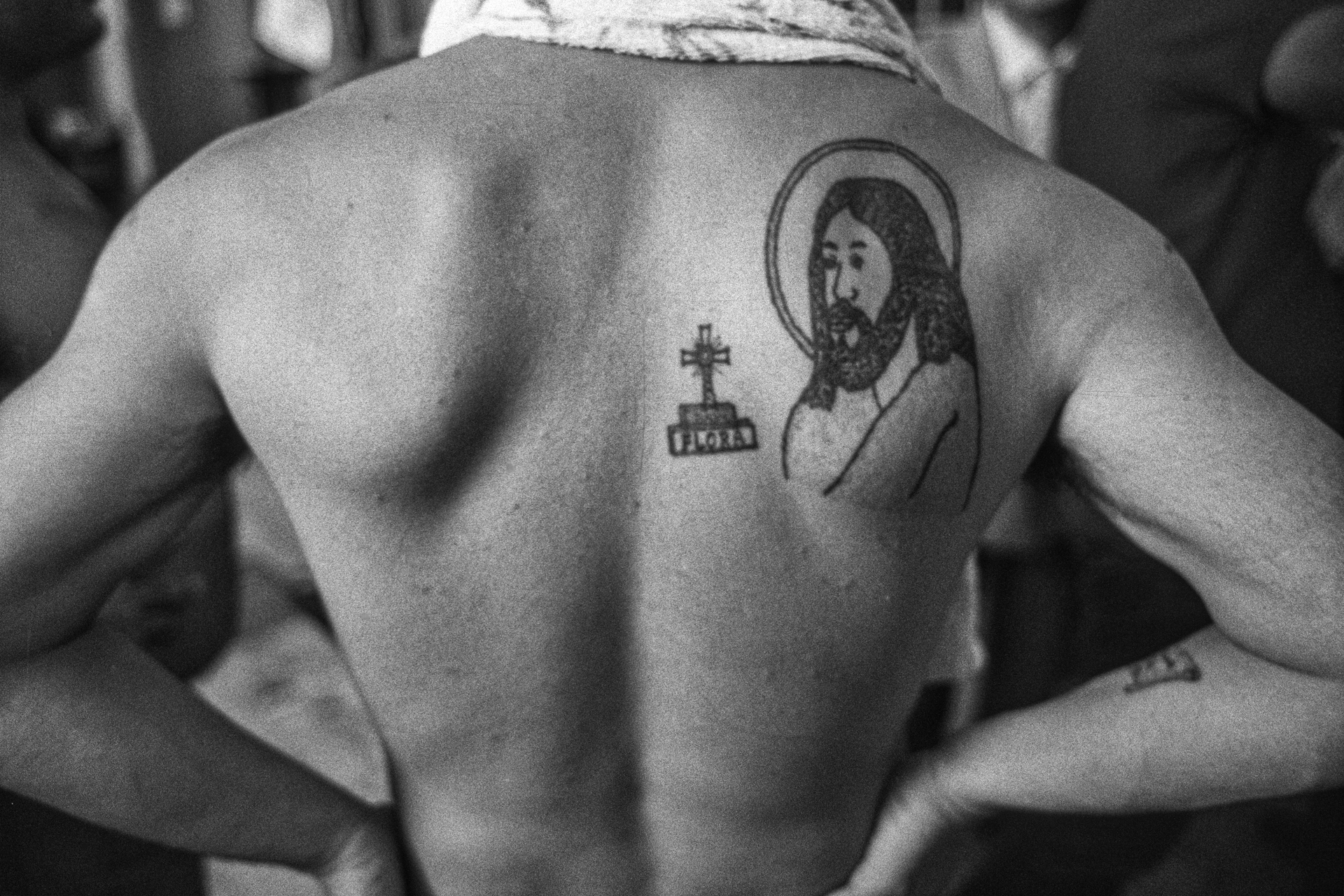
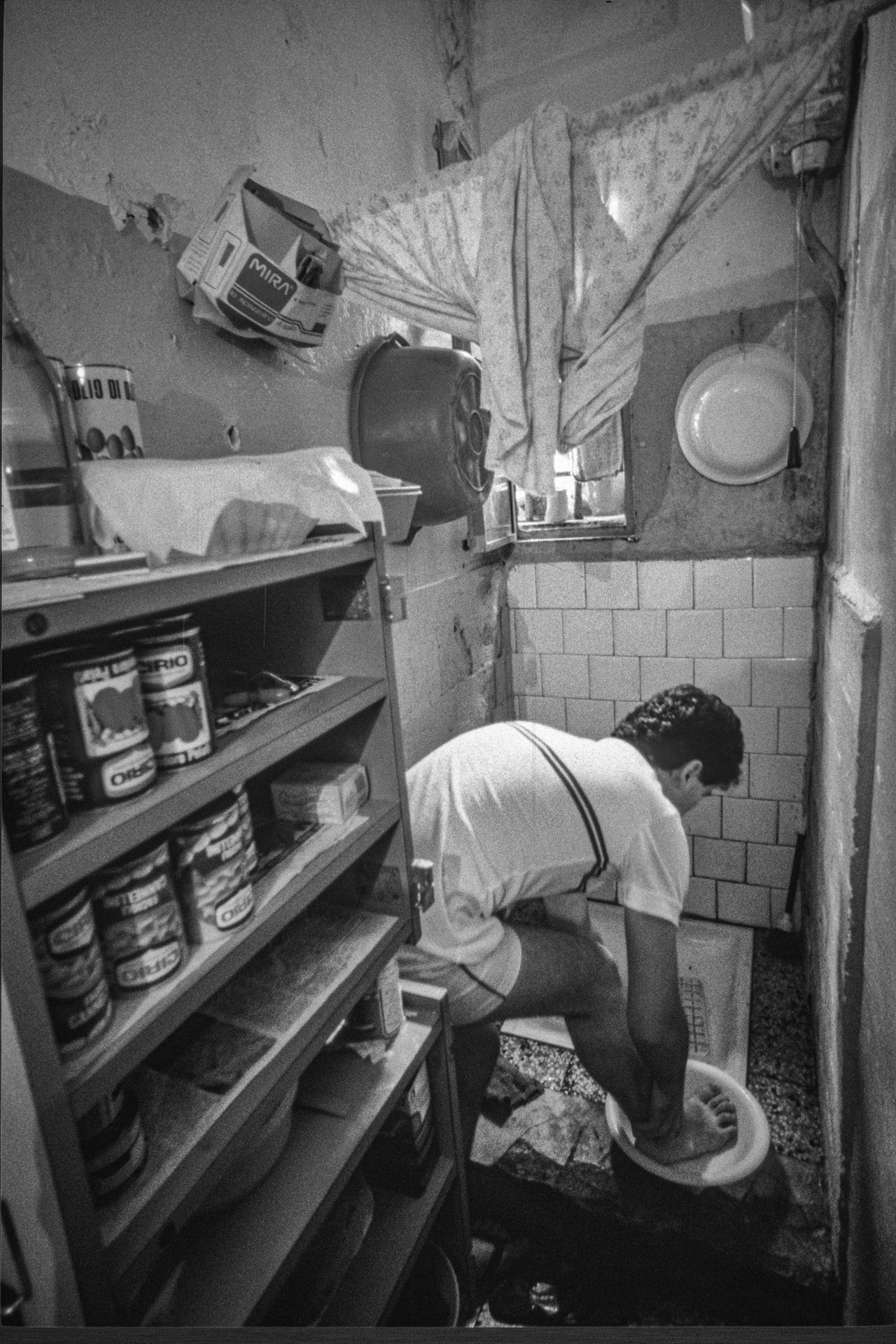
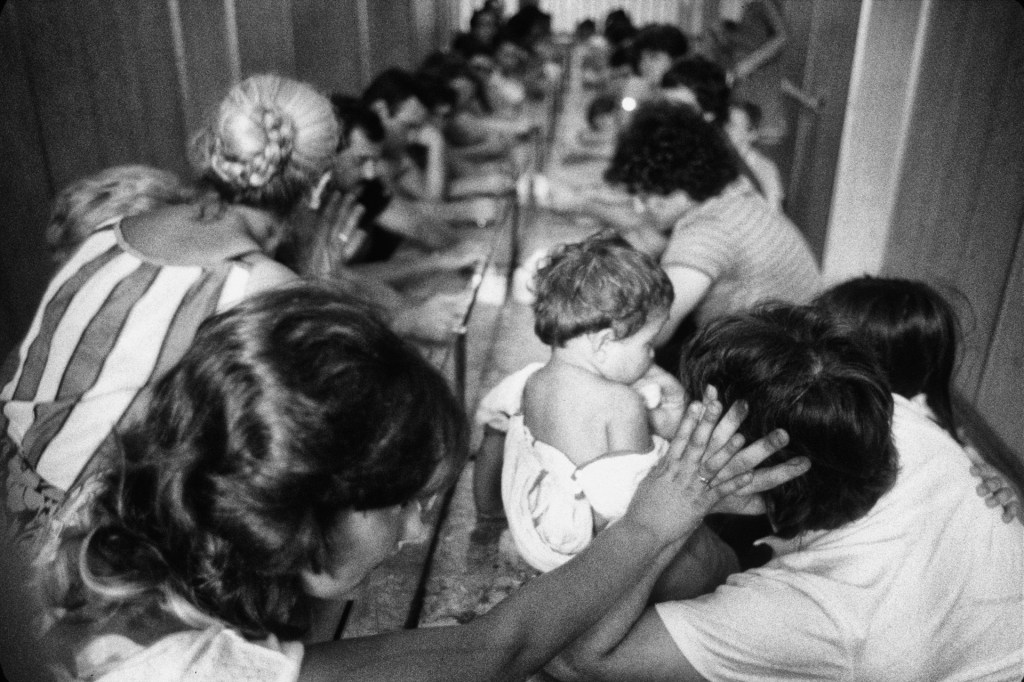
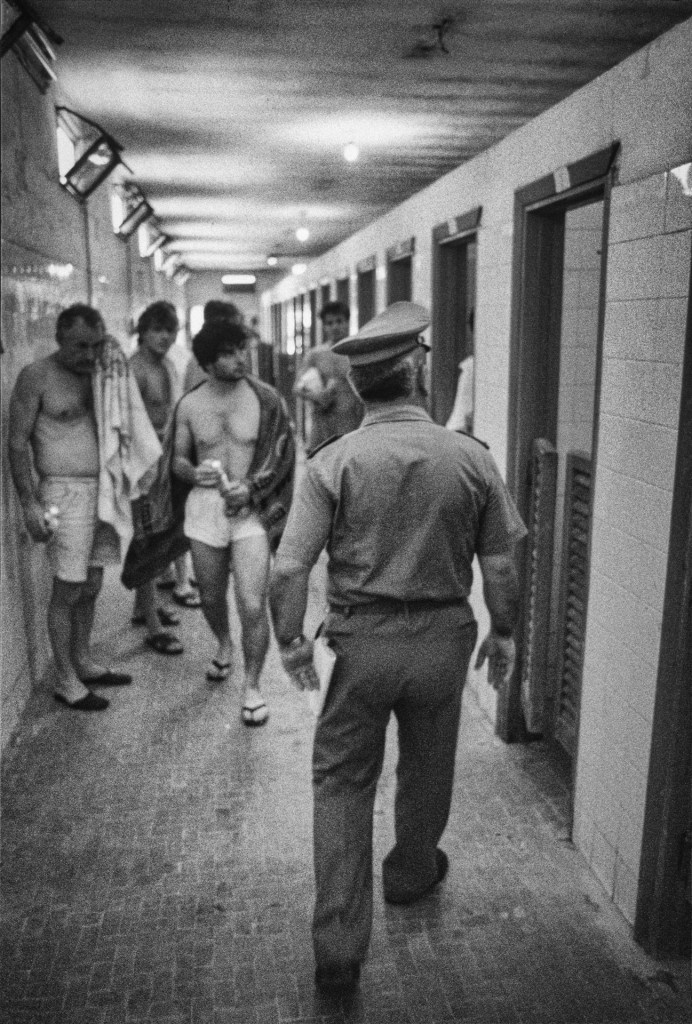
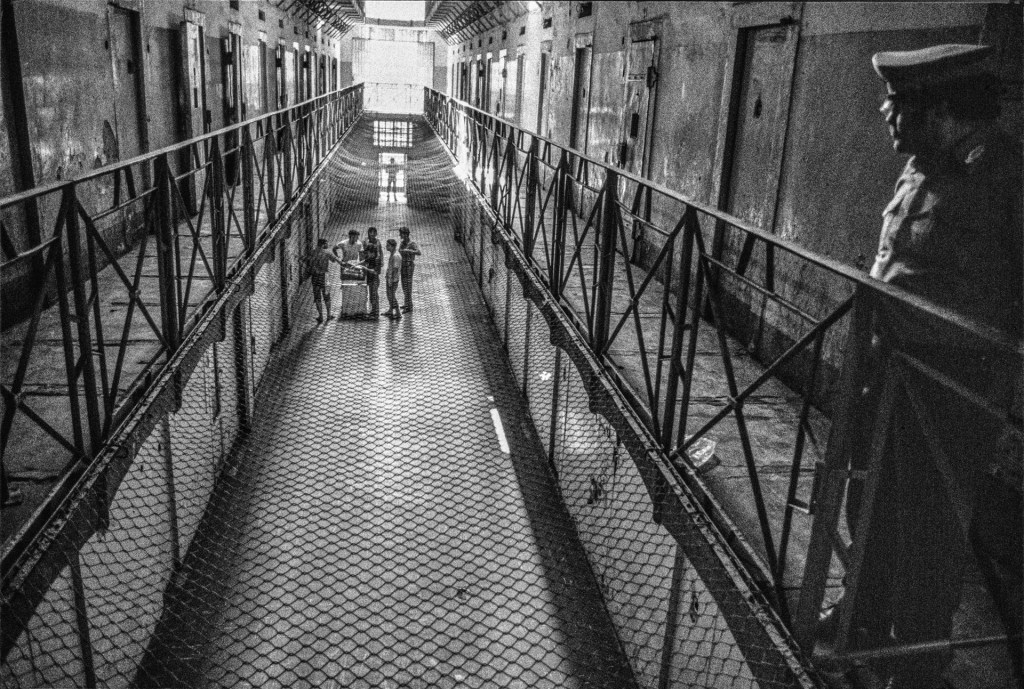
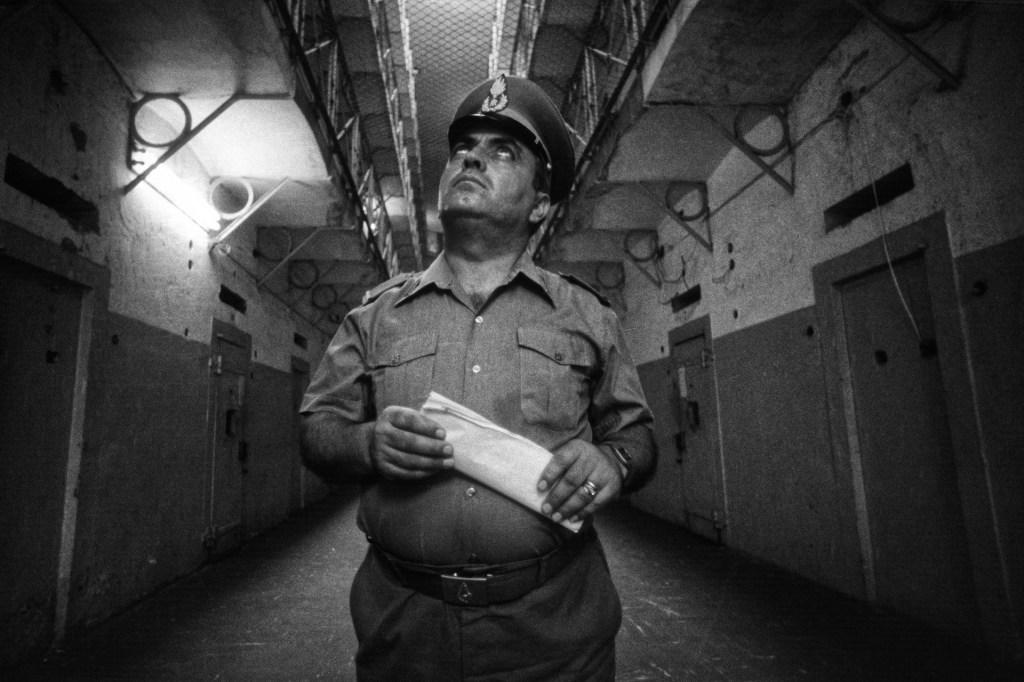
The photographs of the Poggioreale prison in Naples, even after many years, retain the bitter power of conveying a reality that still persists today. The overcrowded cells, the endless corridors, the bodies compressed into narrow spaces speak of a condition that is not only a memory, but a present. A present made of structural decay, lack of resources, lives suspended in waiting.
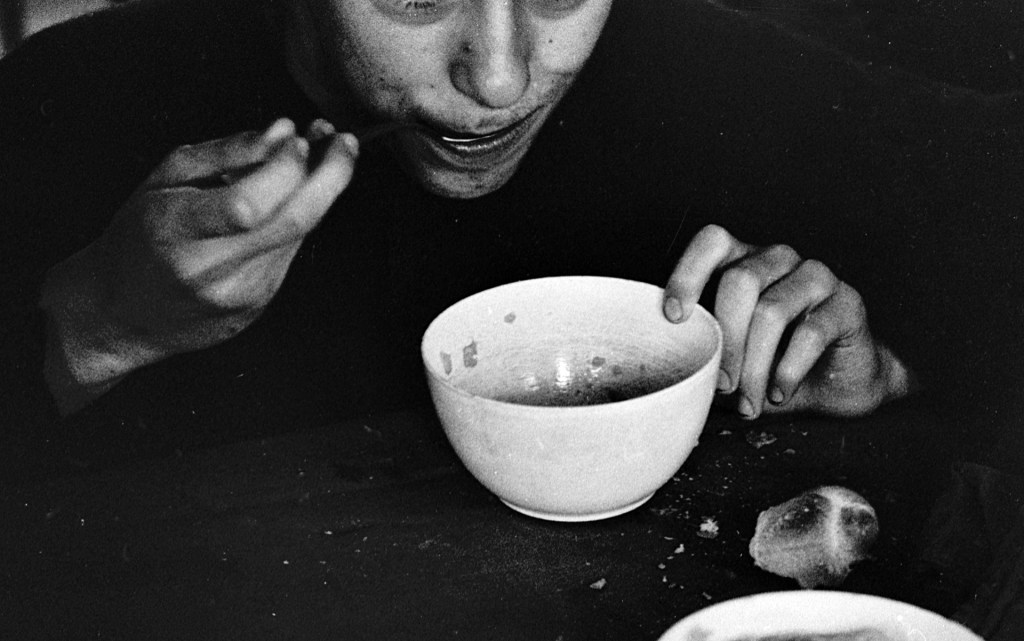
The images of juvenile institutions and of the single cells of life-sentenced prisoners reveal a different dimension: spaces furnished with personal objects, almost transforming the prison into a private microcosm. Yet behind the posters, the books, and the small everyday details, remains the unbroken awareness of a punishment without end.






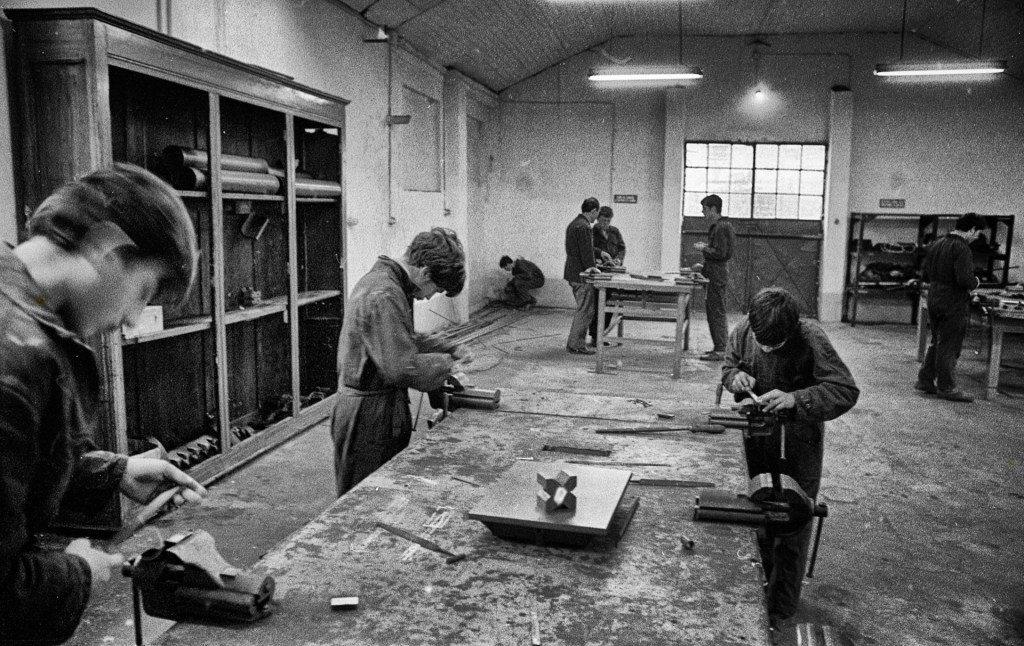

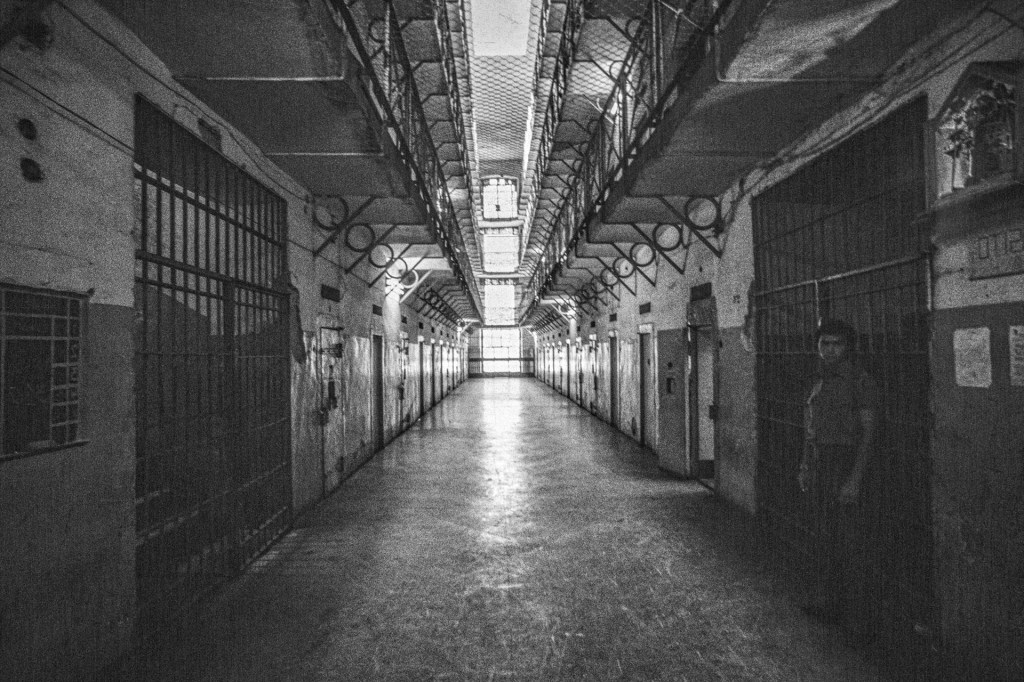

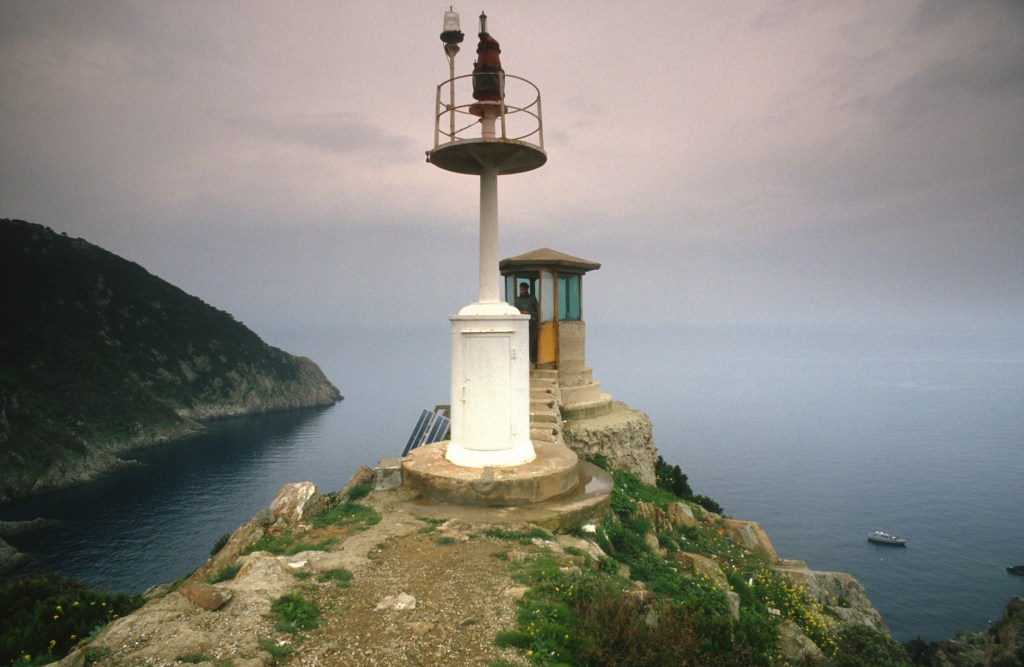
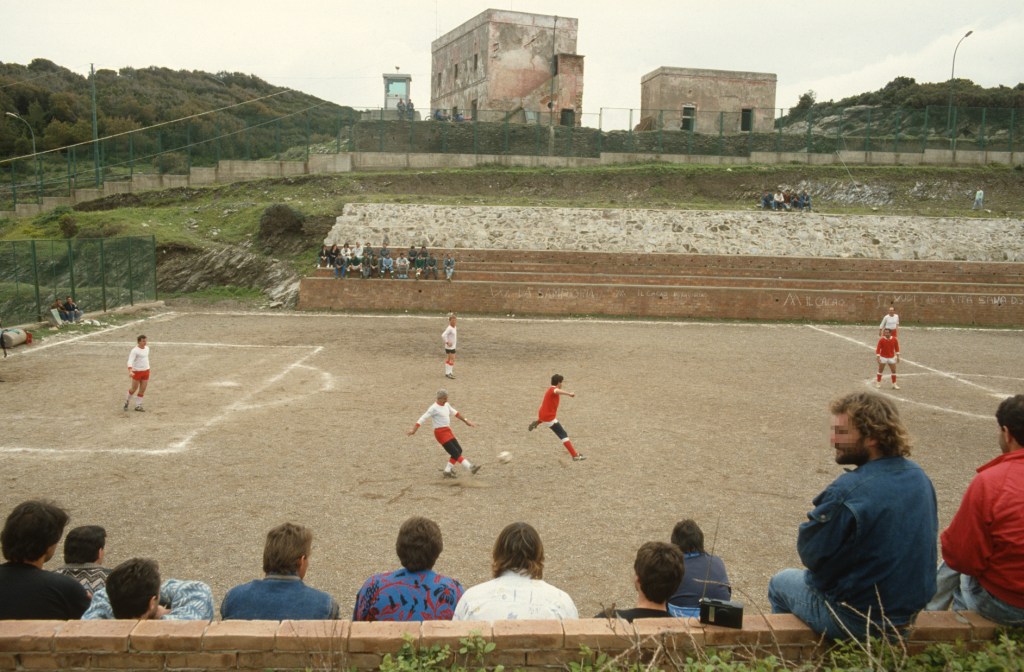
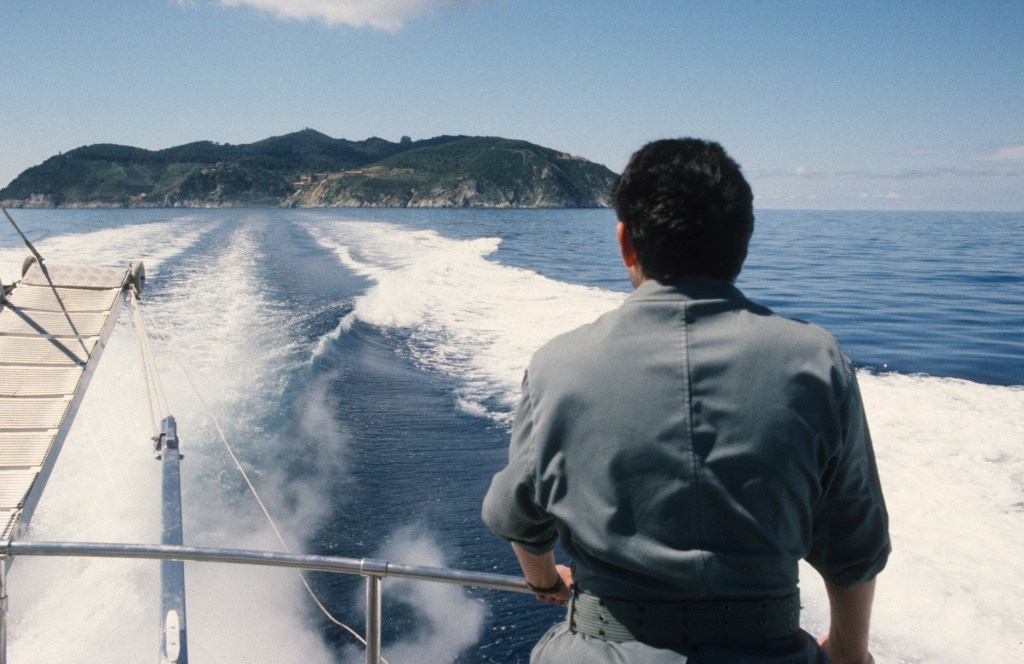
The penal colony of Gorgona is a unique place in the Italian prison system: located on the last inhabited island of the Tuscan Archipelago, it houses inmates engaged in farming, animal husbandry, viticulture, and environmental care. Here, imprisonment takes place in close contact with nature and translates into concrete work, daily responsibilities, and more direct relationships with the community. An “open-air prison,” where deprivation and freedom coexist in a fragile balance, yet one capable of offering inmates a different perspective on reintegration.