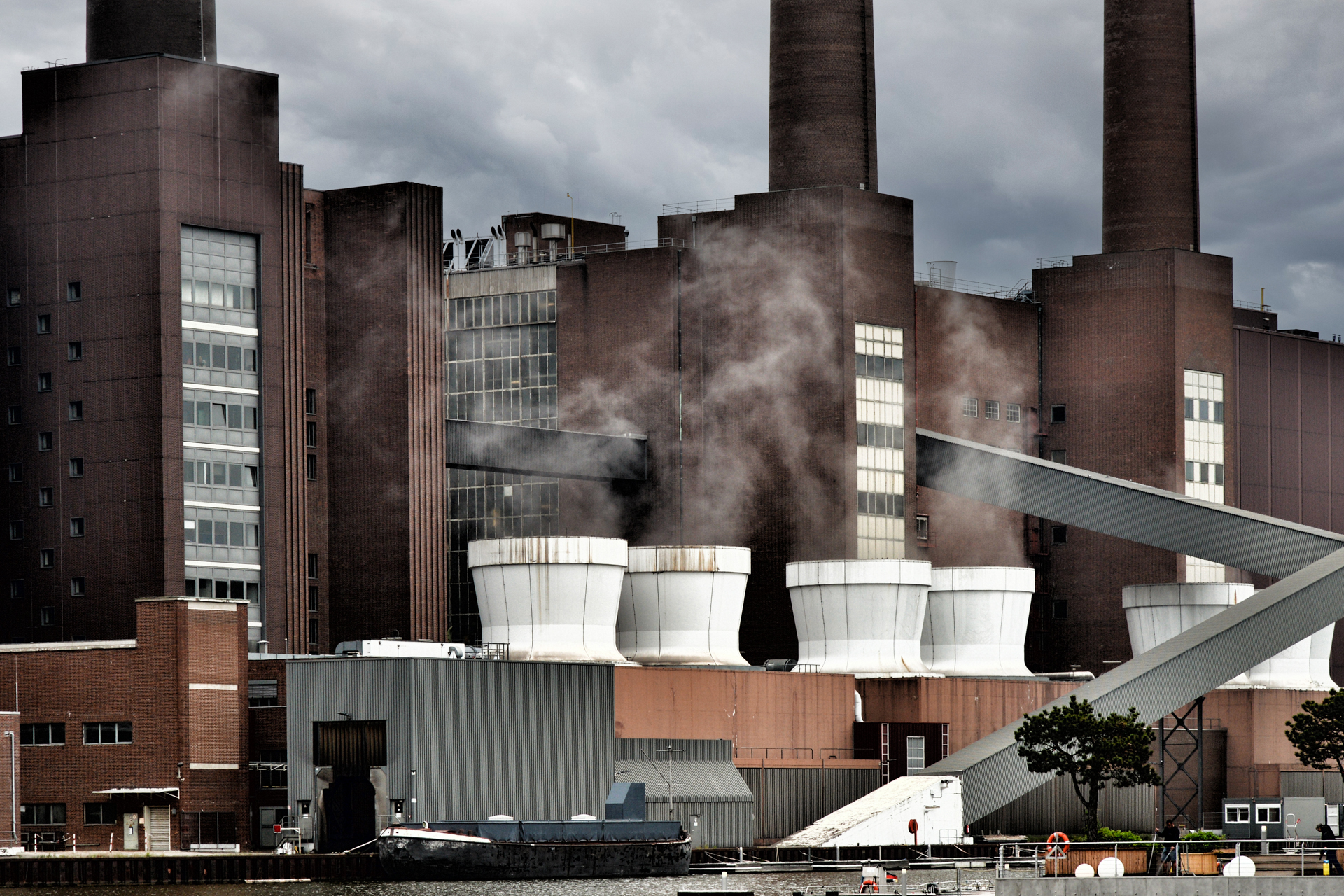
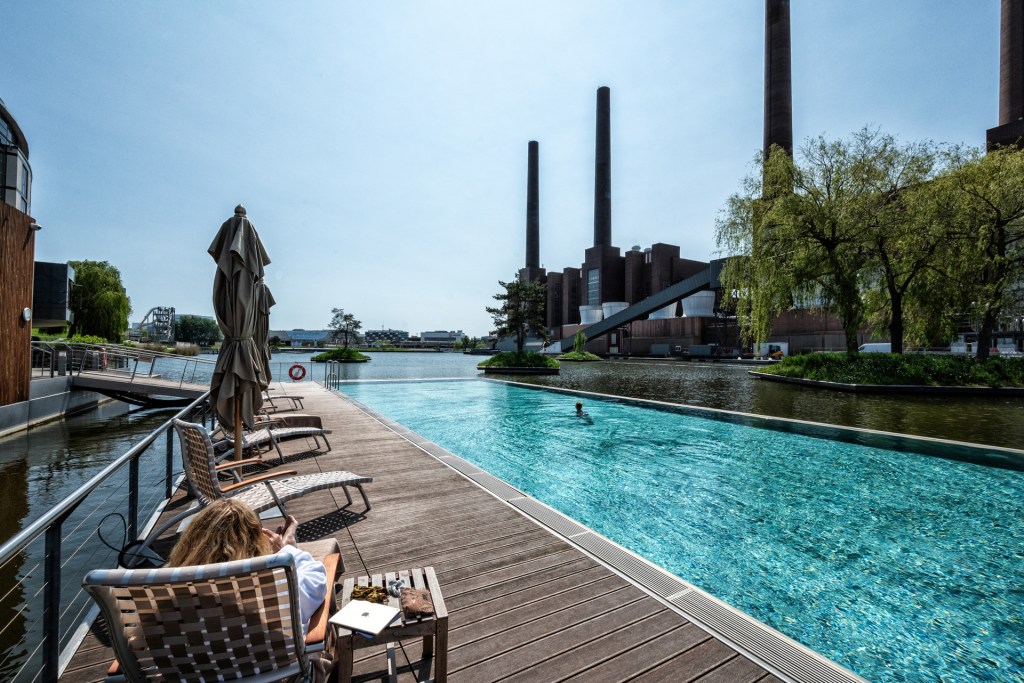
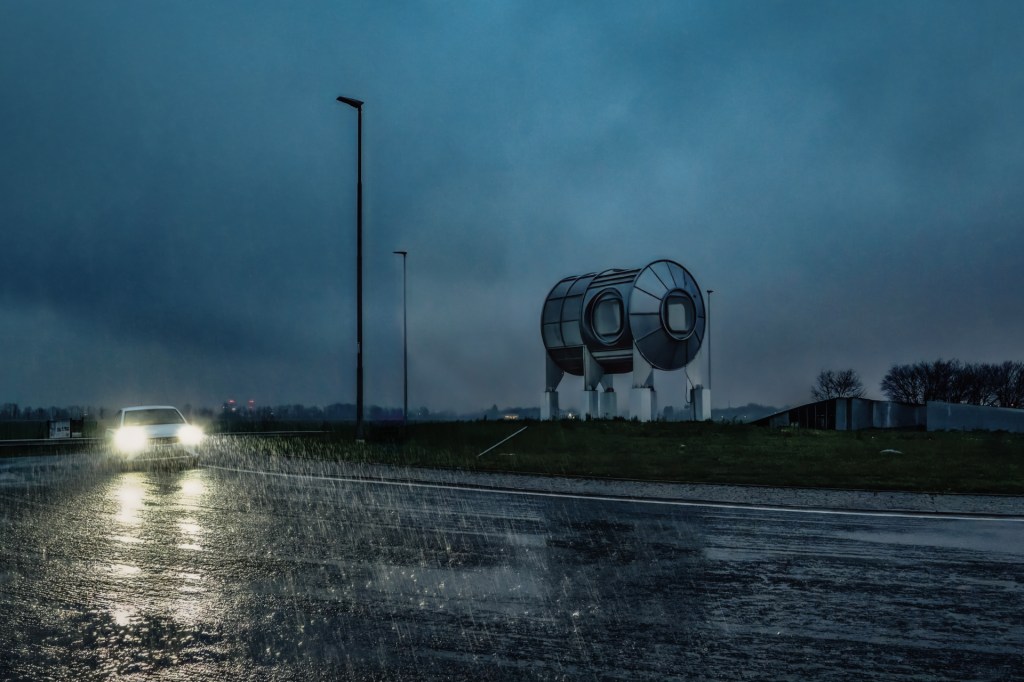
Turin and Wolfsburg, two historic European motowns, today share a common destiny: cities born or grown in the shadow of major automobile factories, which in recent decades have undergone profound transformations in their urban fabric.
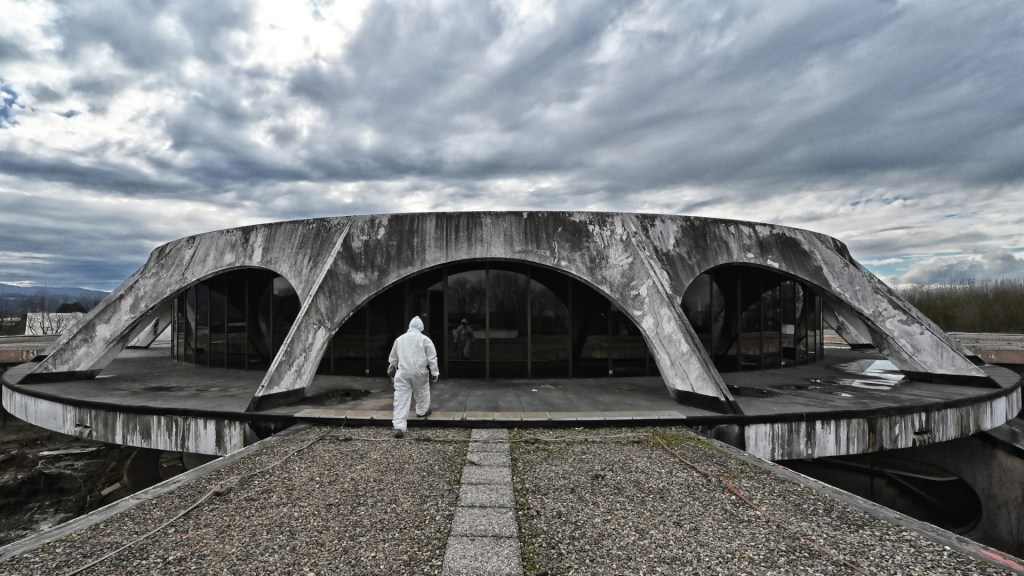
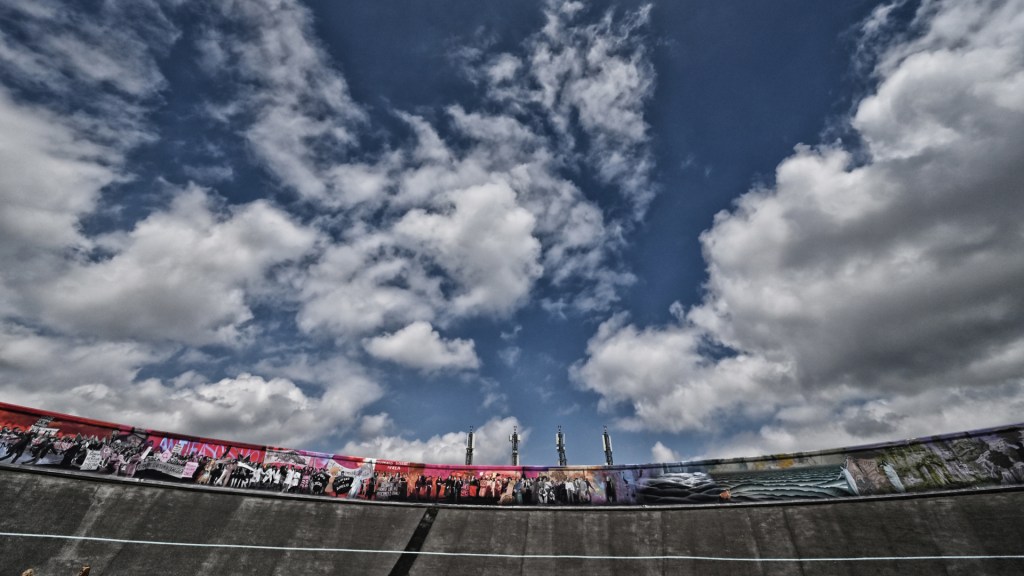
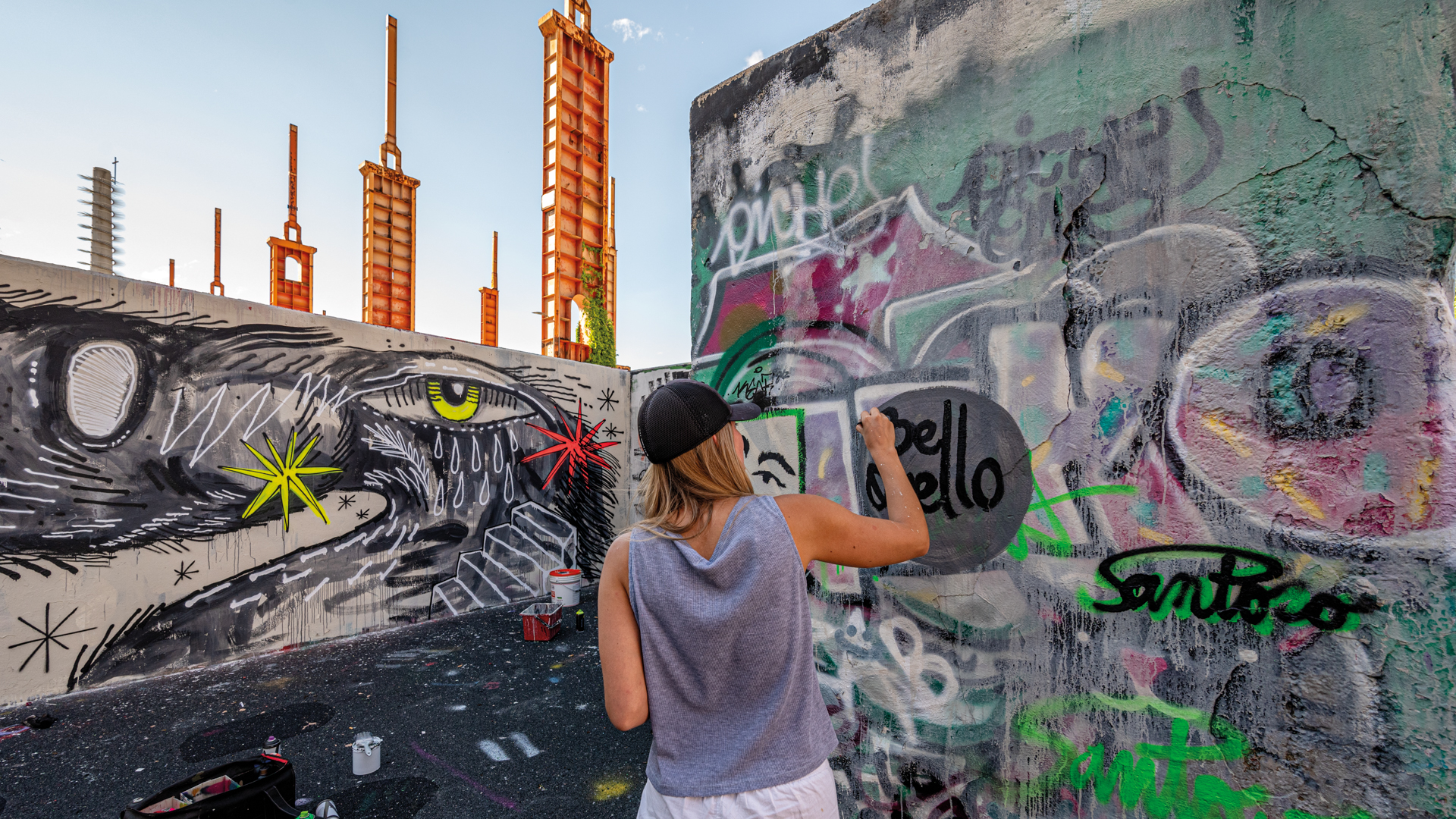
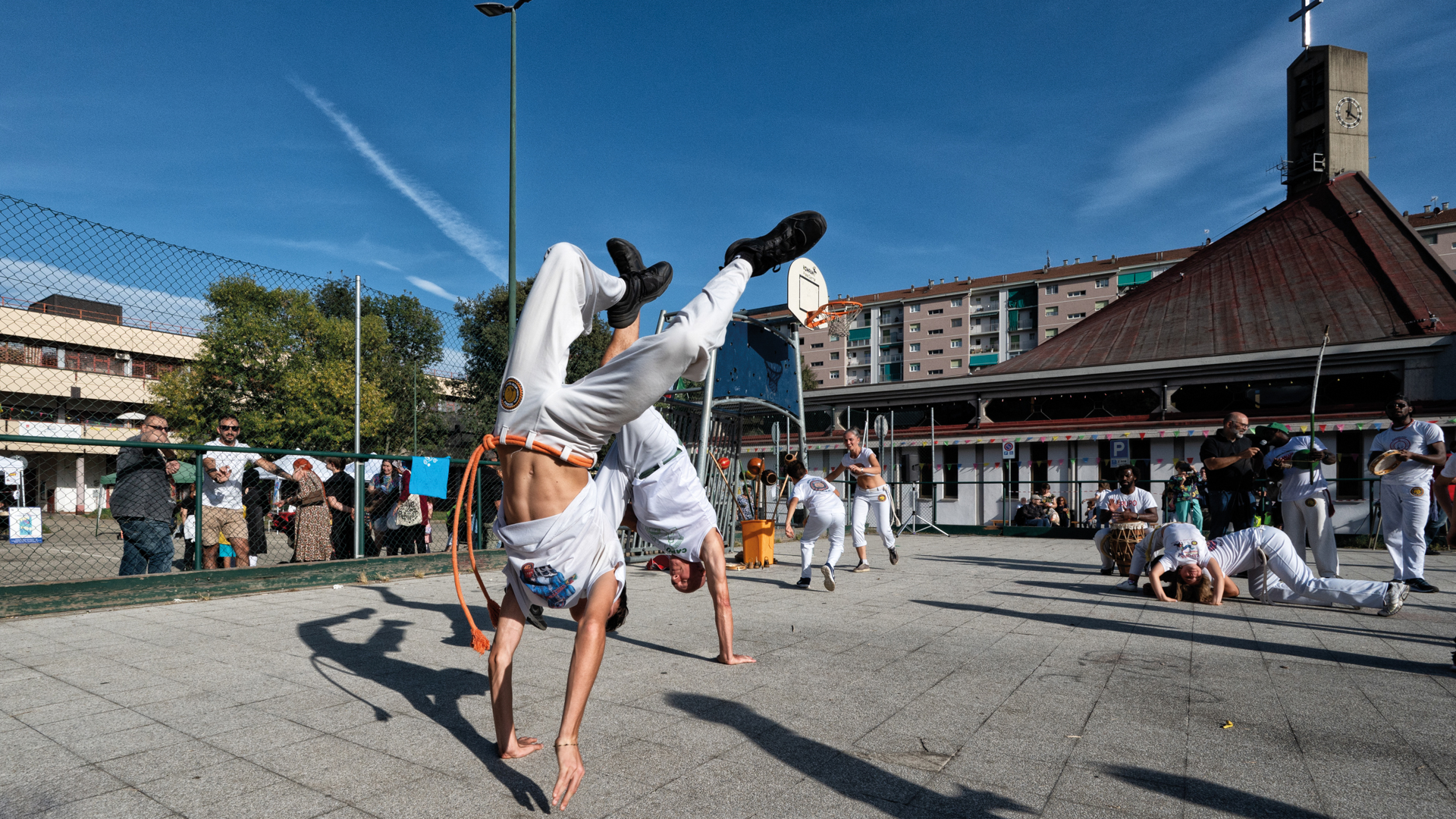
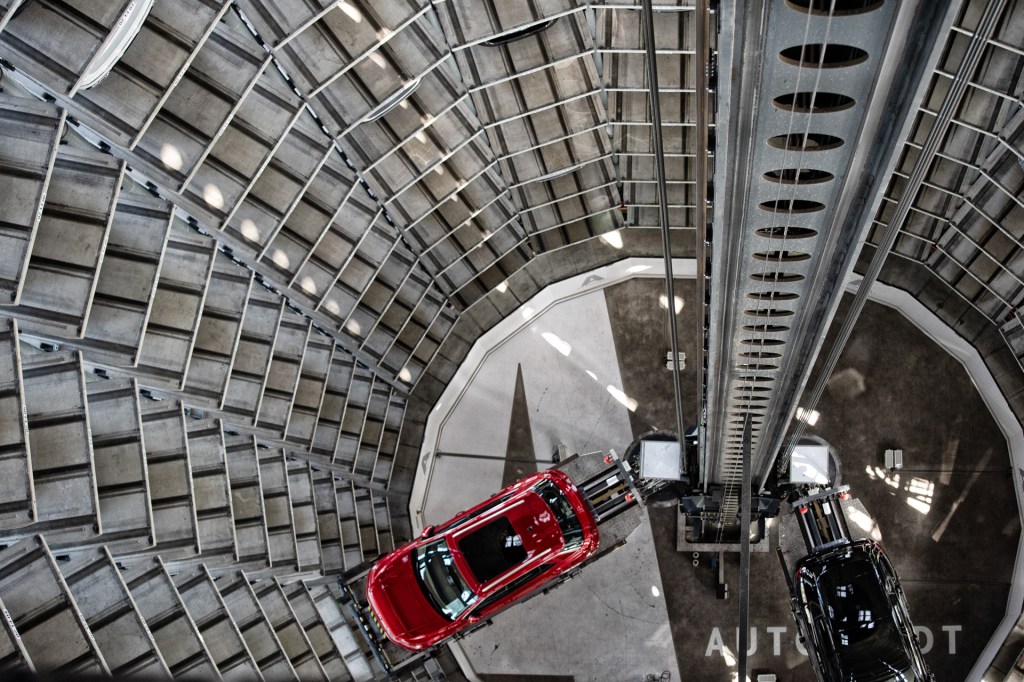
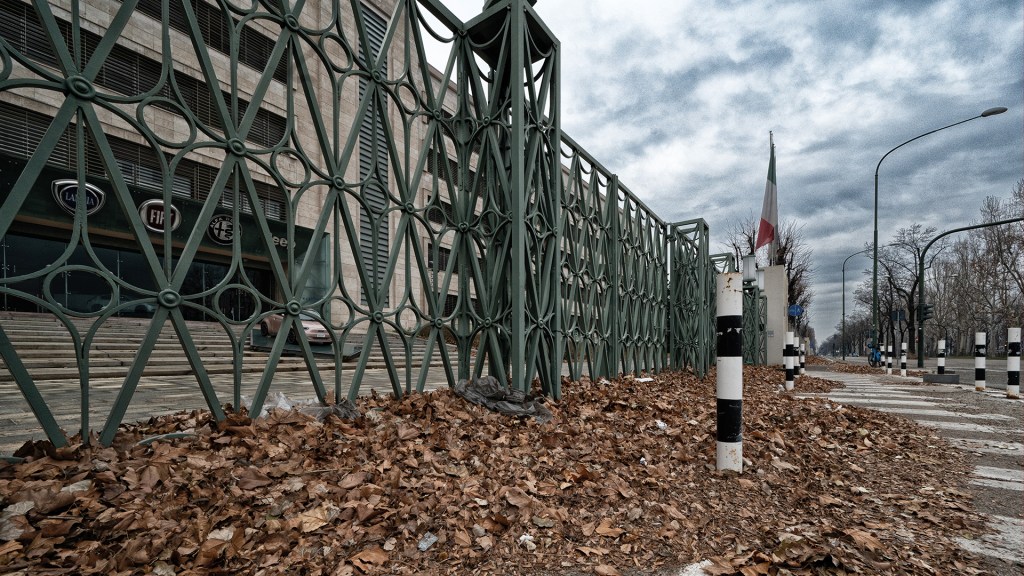
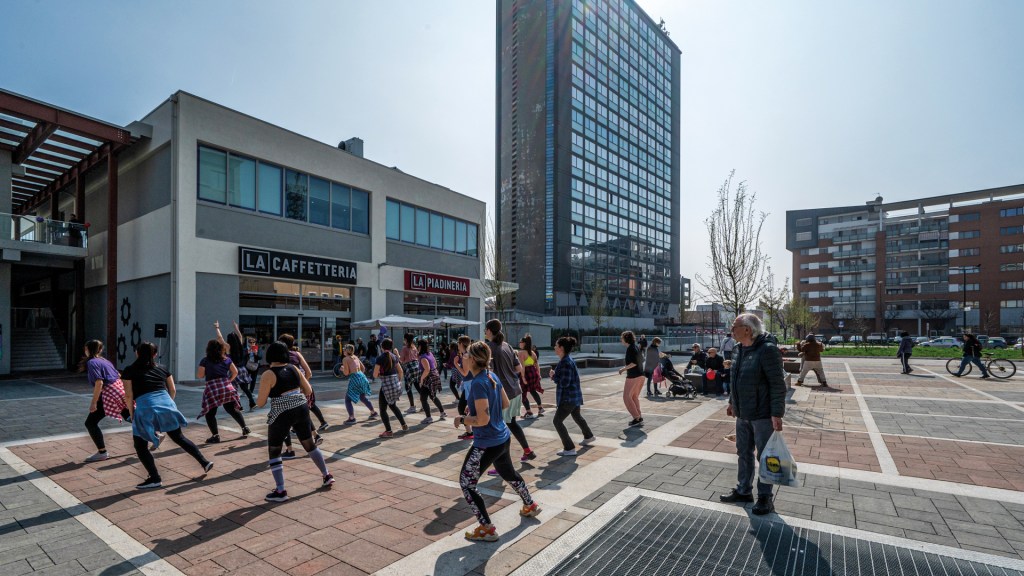
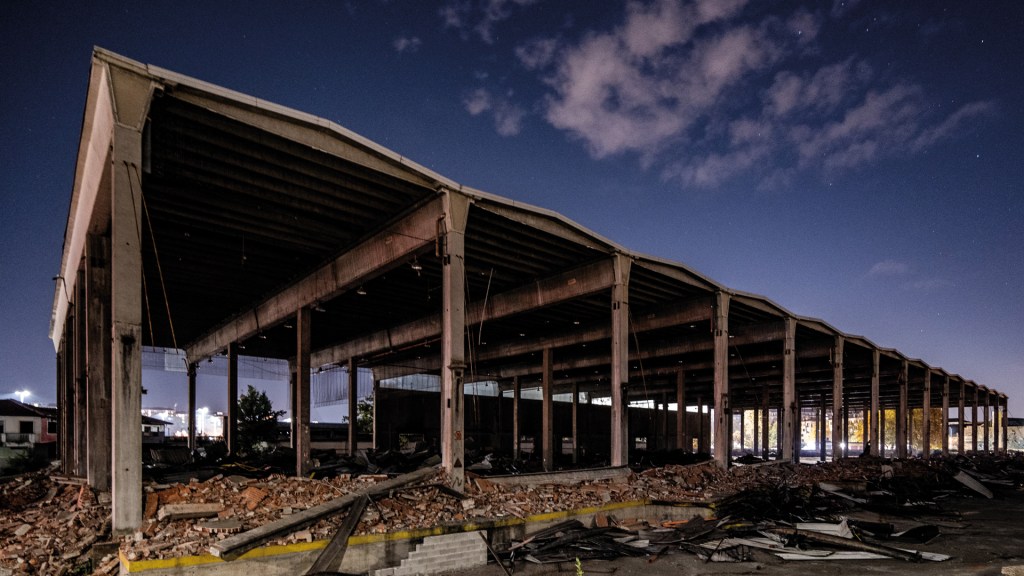
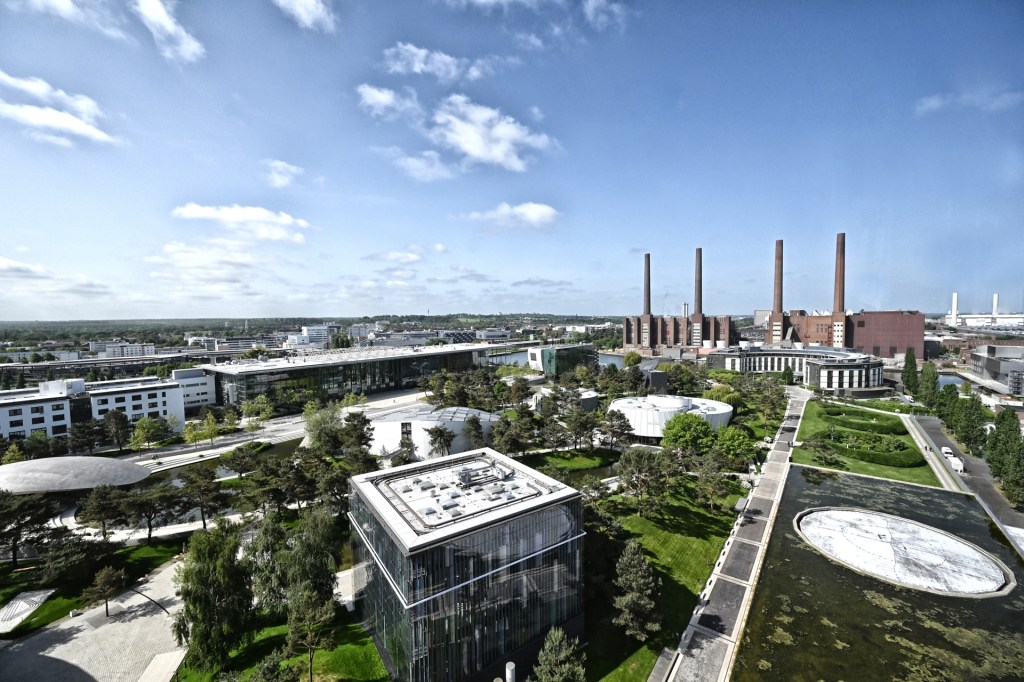
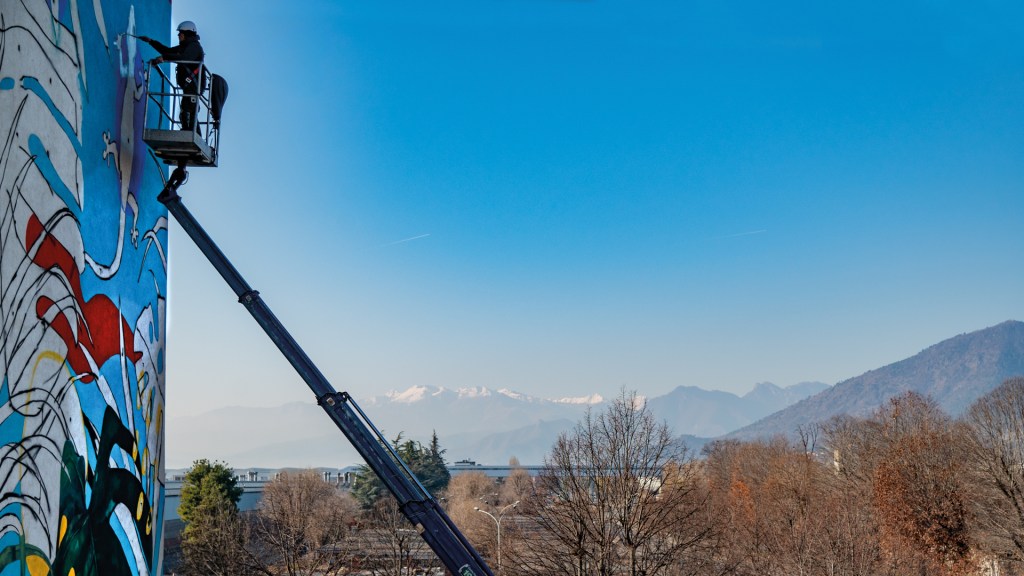
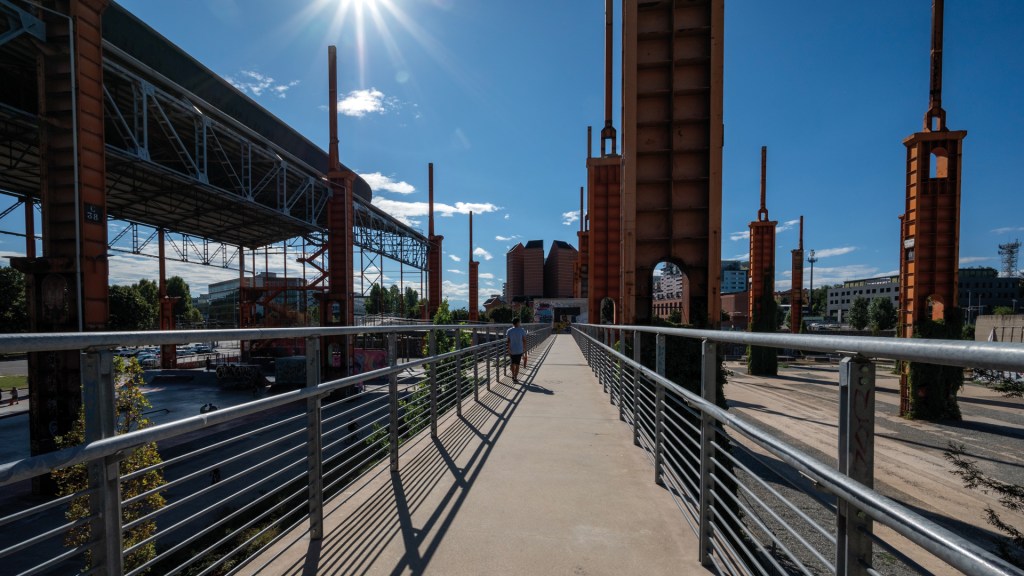
While Wolfsburg has renewed the image of the single-factory city by adding museums, cultural centers, and theme parks designed by renowned architects, Turin still faces the challenge of reshaping a landscape where industrial memory and urban future intertwine, between vast abandoned areas and regenerated spaces intended to return to the community as places of culture, innovation, and social life.