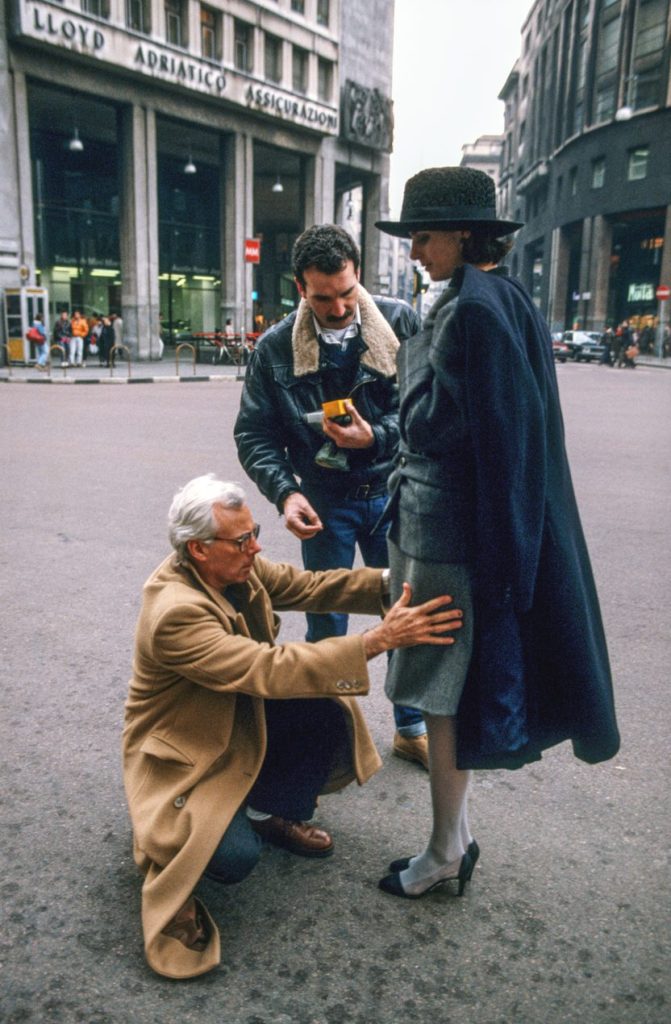
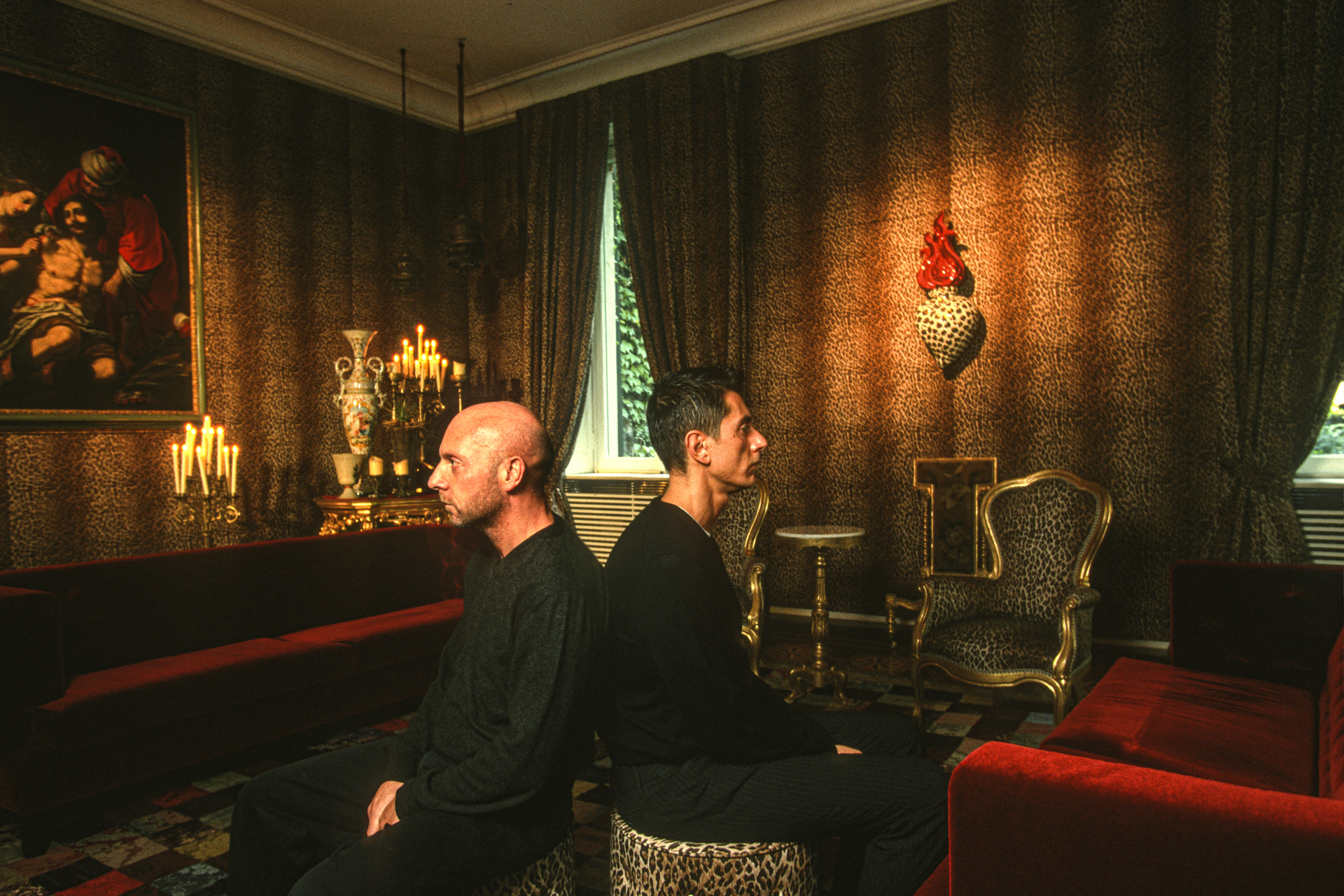
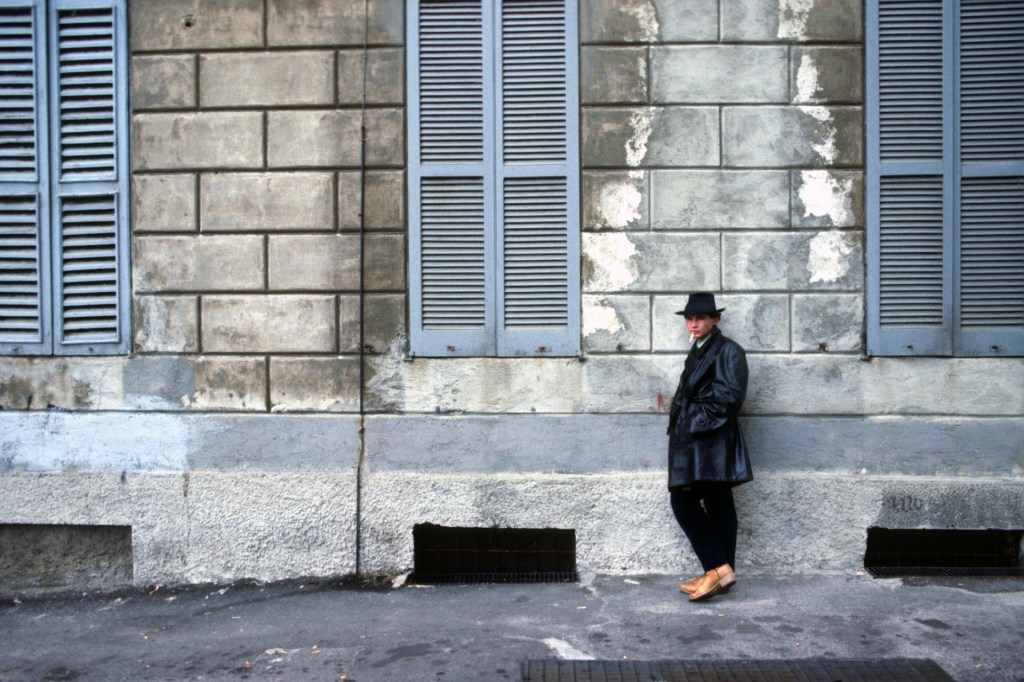
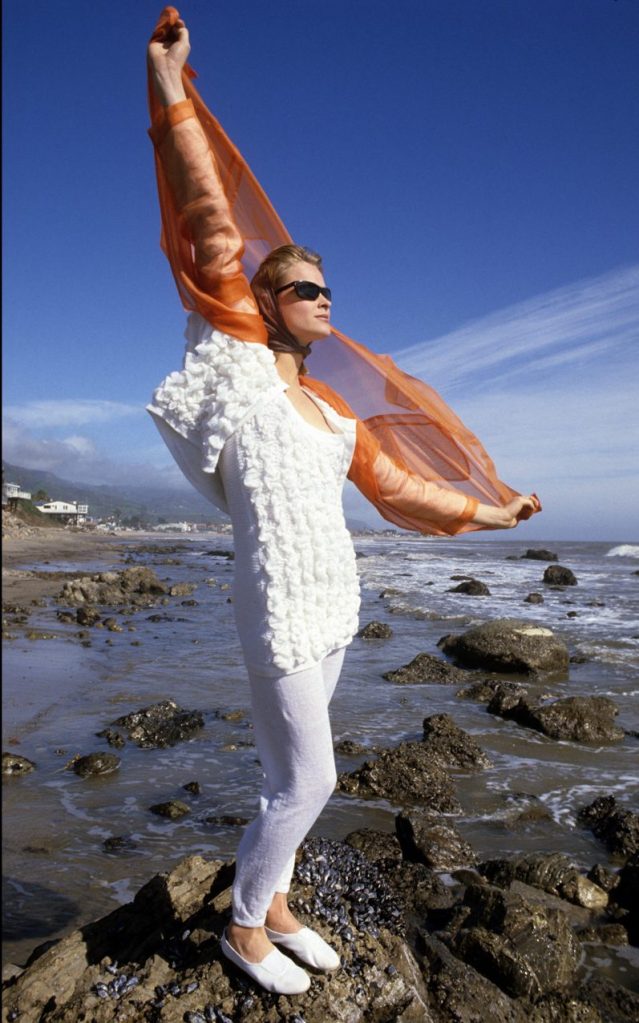
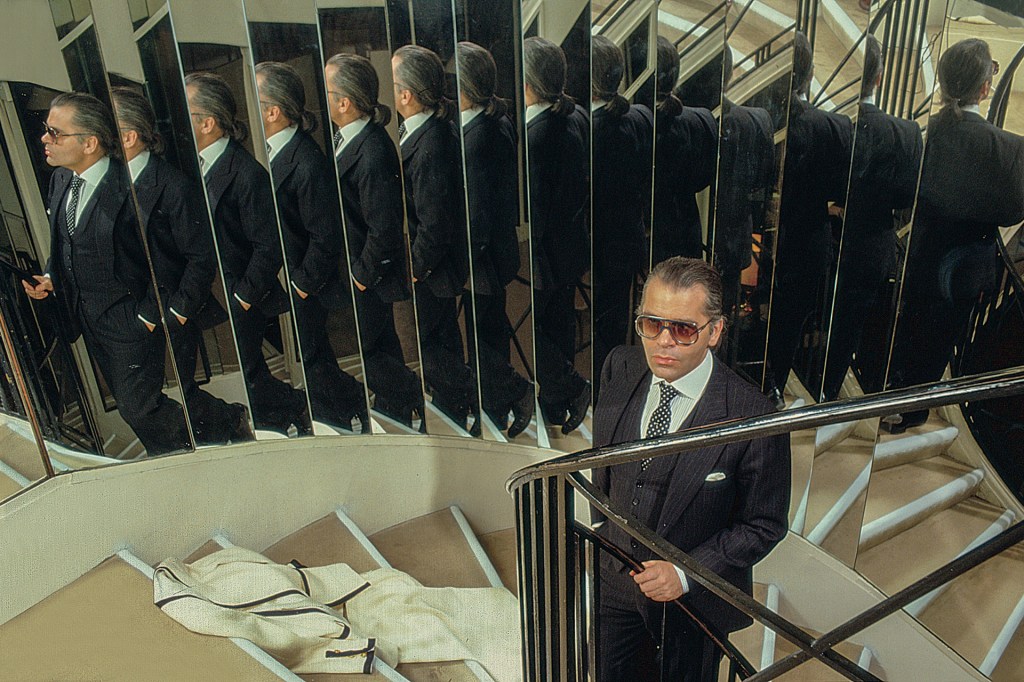
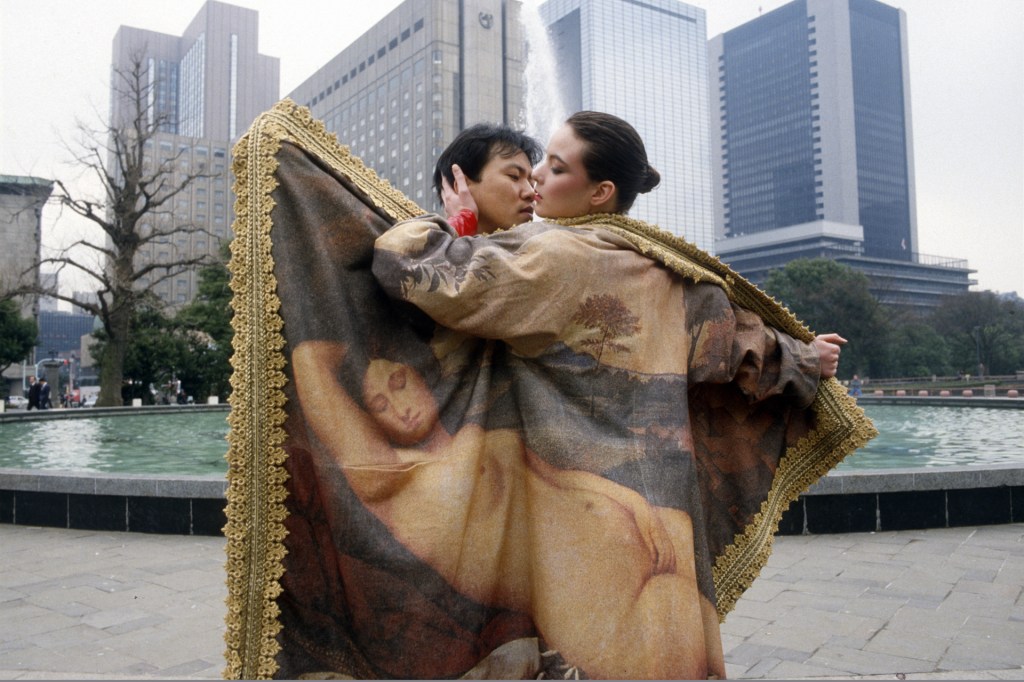
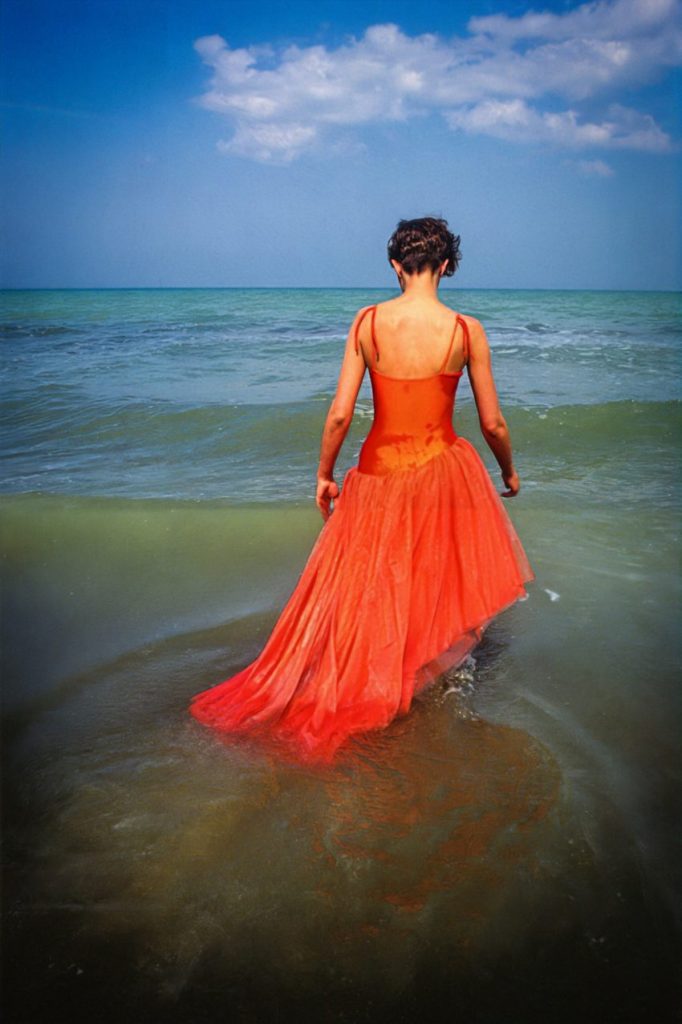
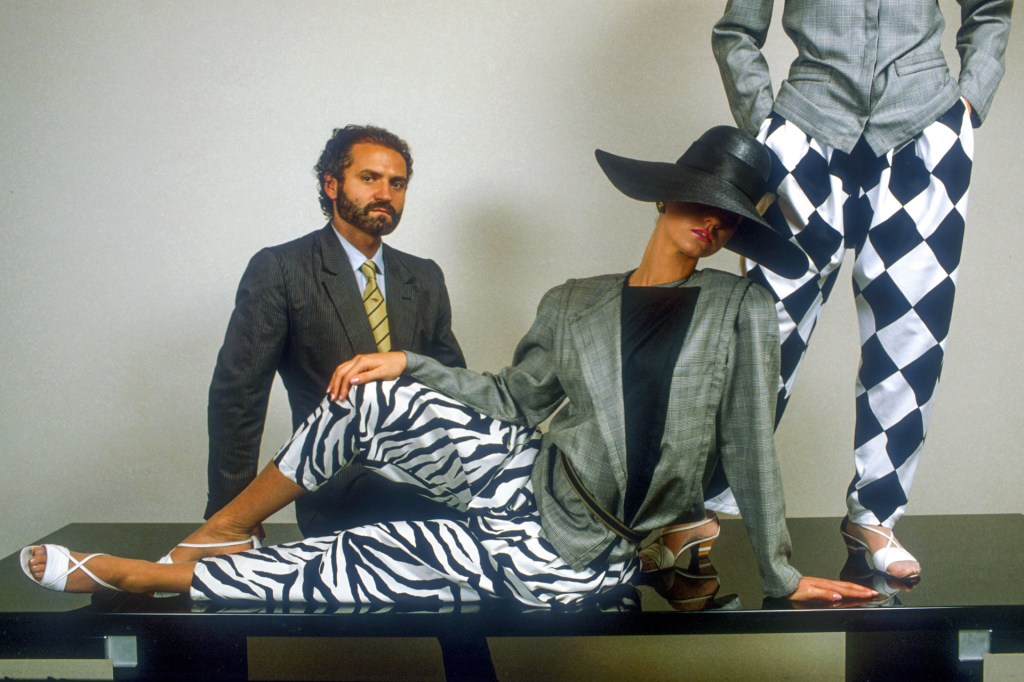
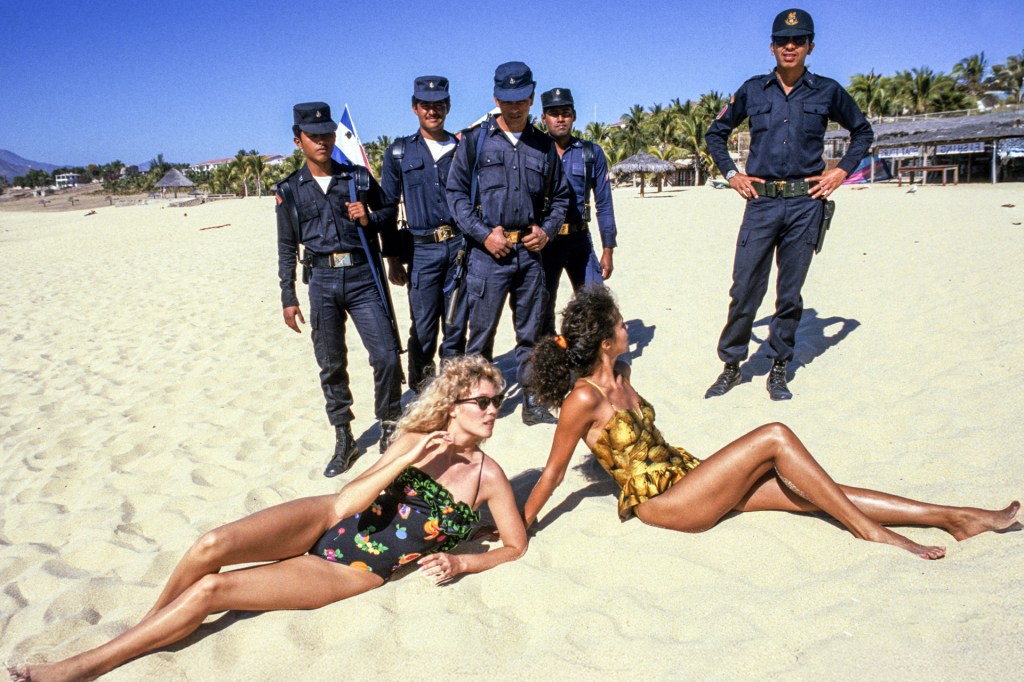
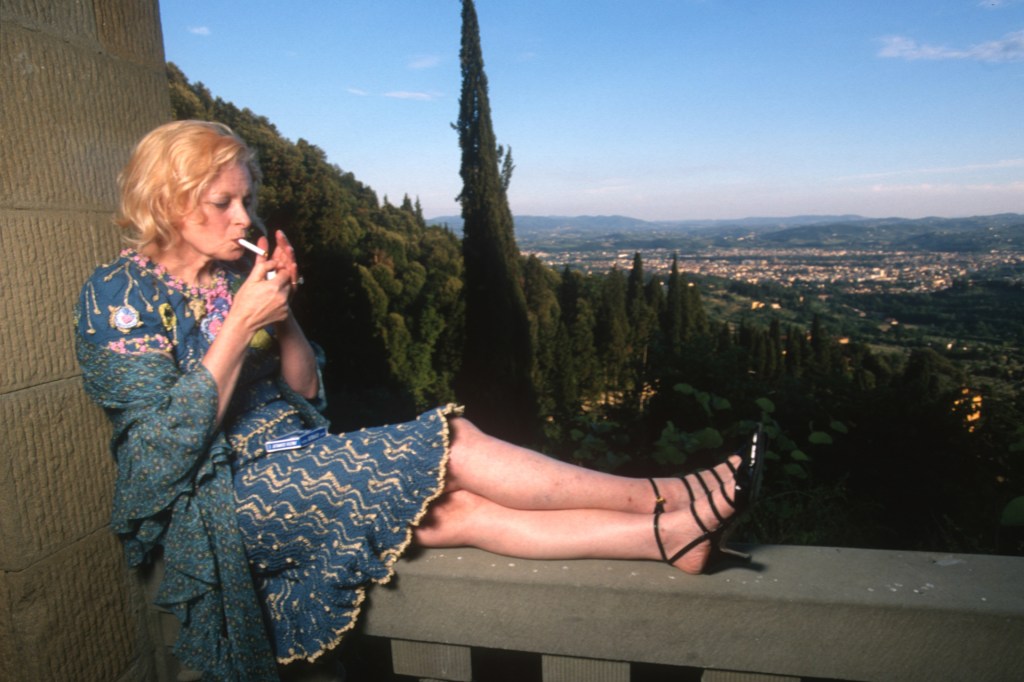
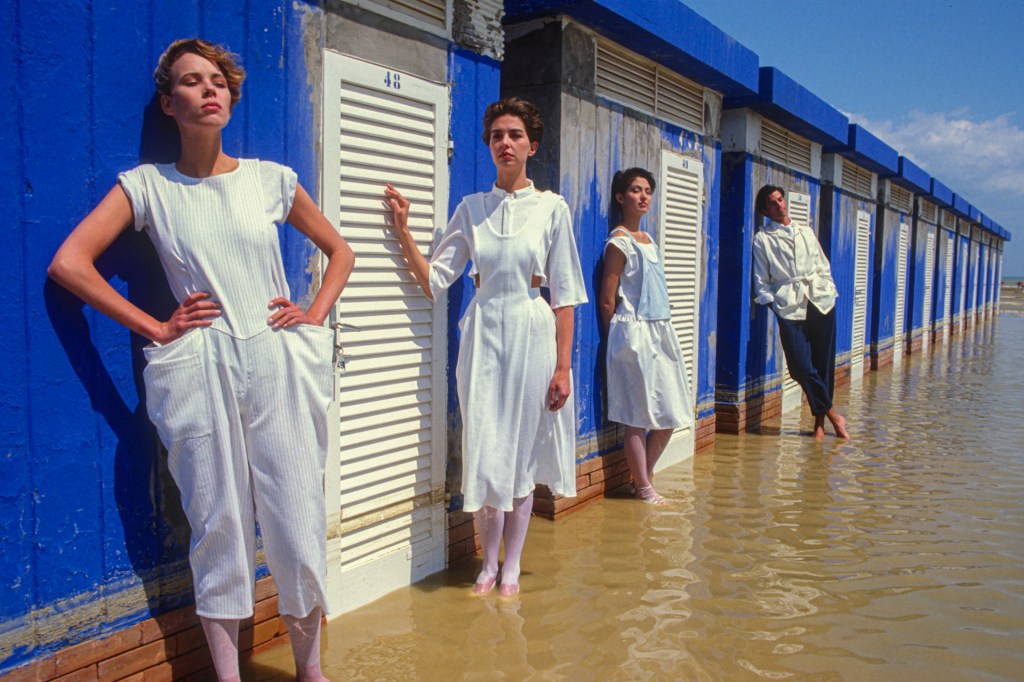
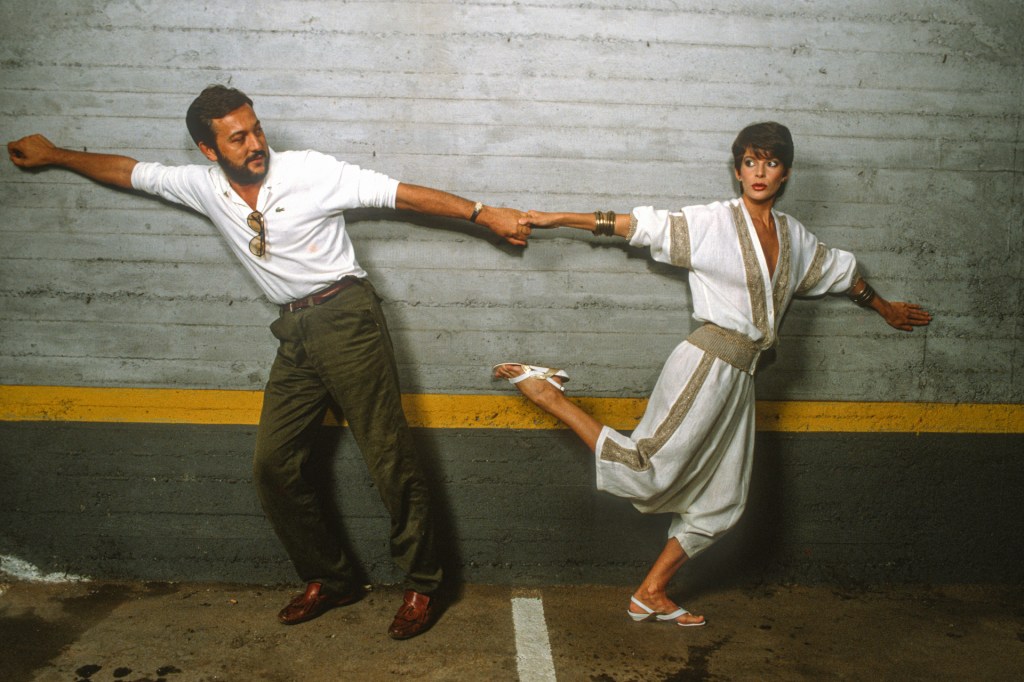
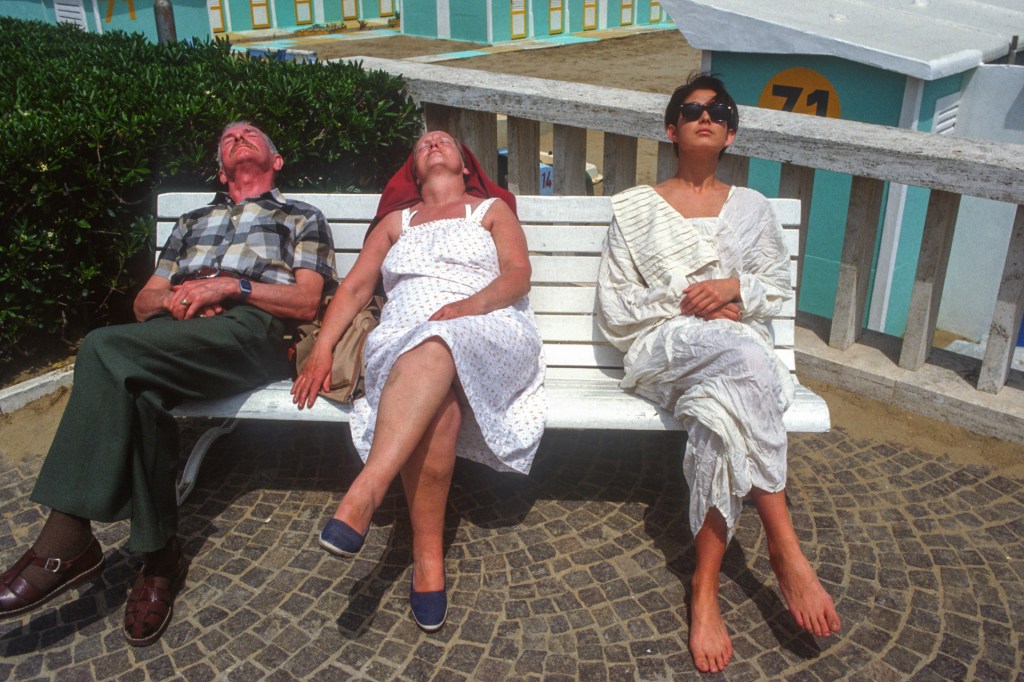
In the 1980s, Italian fashion underwent a groundbreaking transformation: prêt-à-porter designers conquered the international stage, revolutionizing not only the way of dressing but also the very concept of elegance. No longer just bespoke garments for the few, but collections able to engage with the desire for success and self-affirmation of a society rushing toward the myth of modernity.
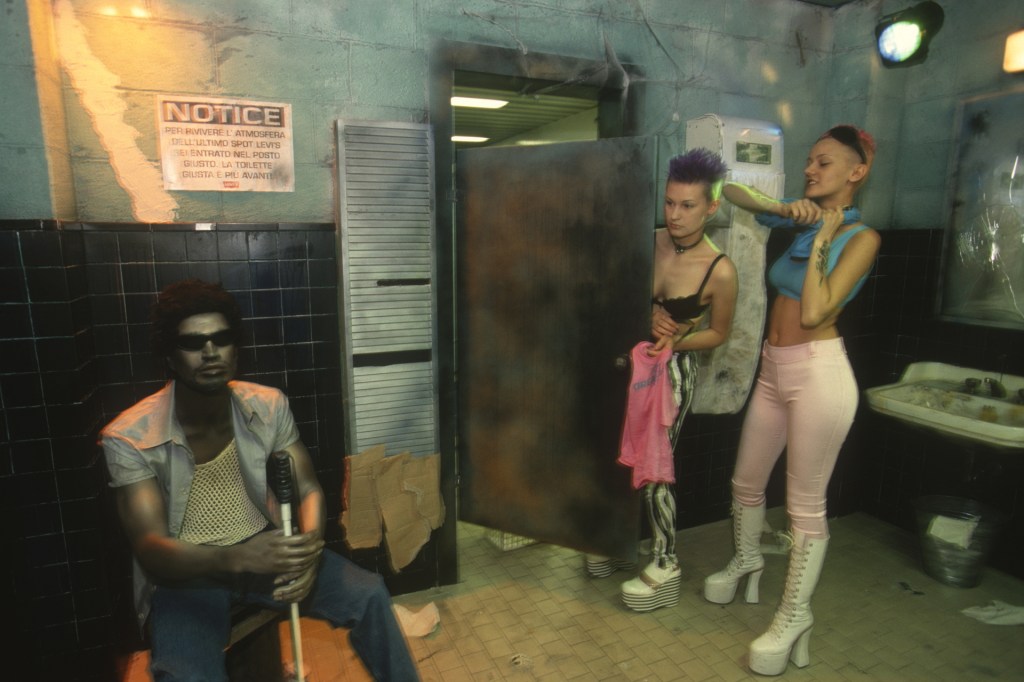
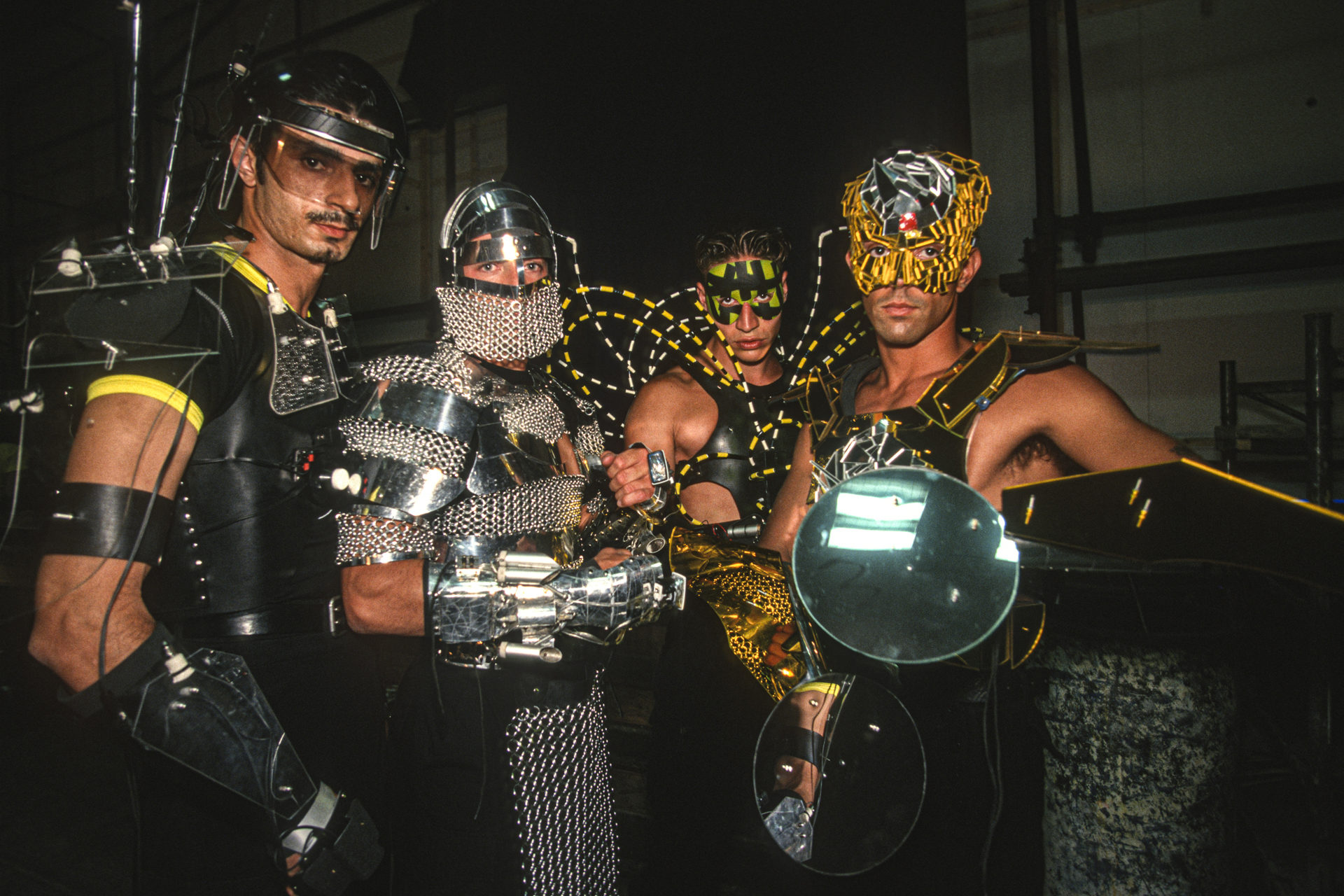
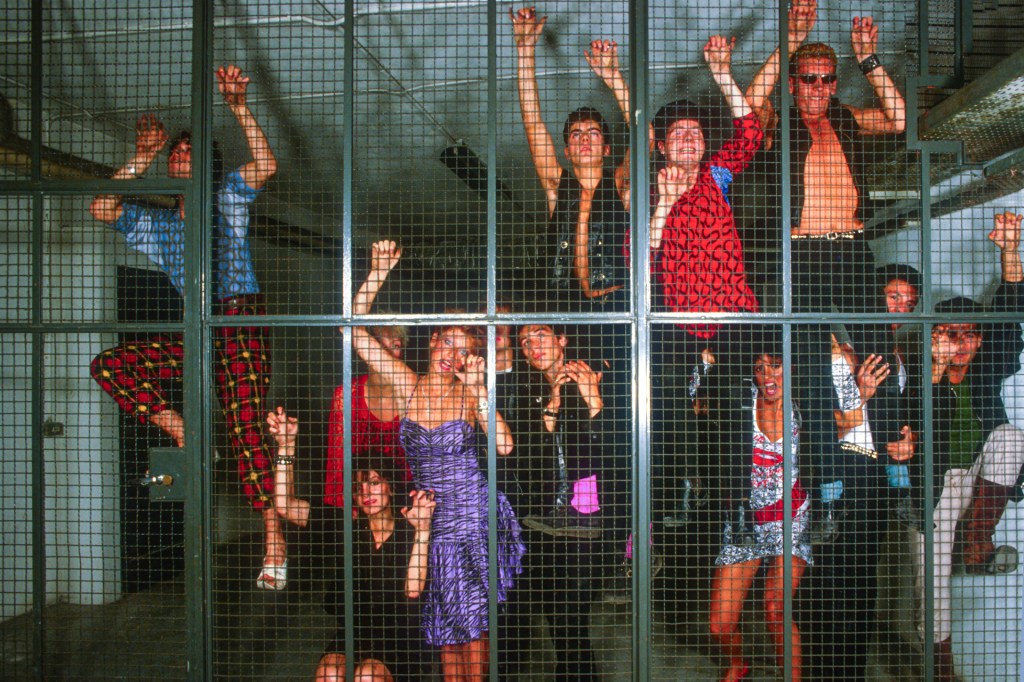
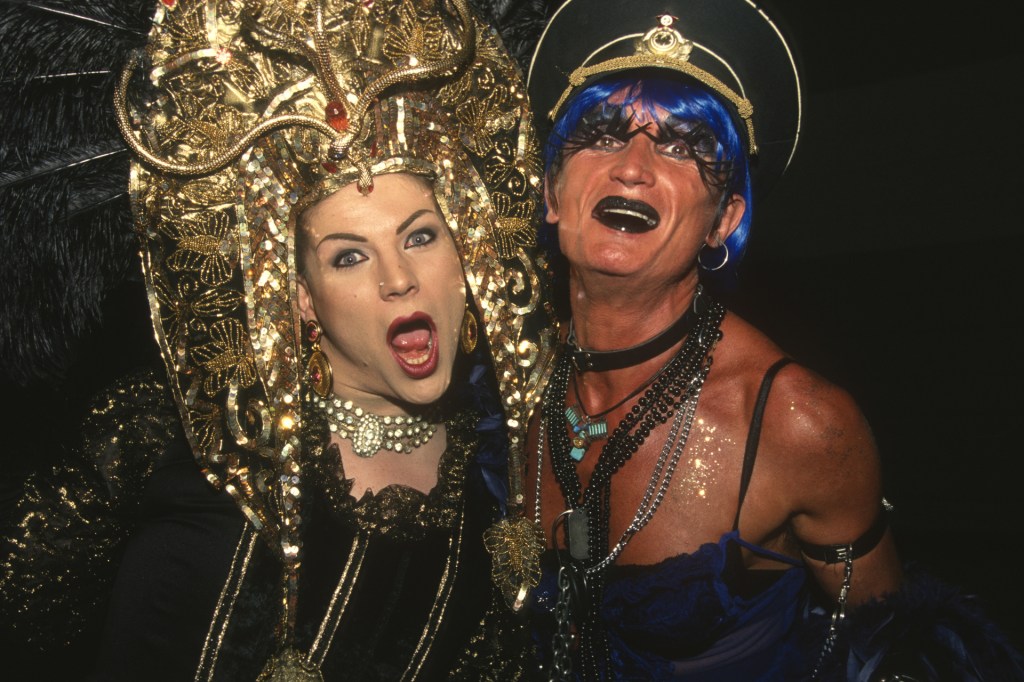
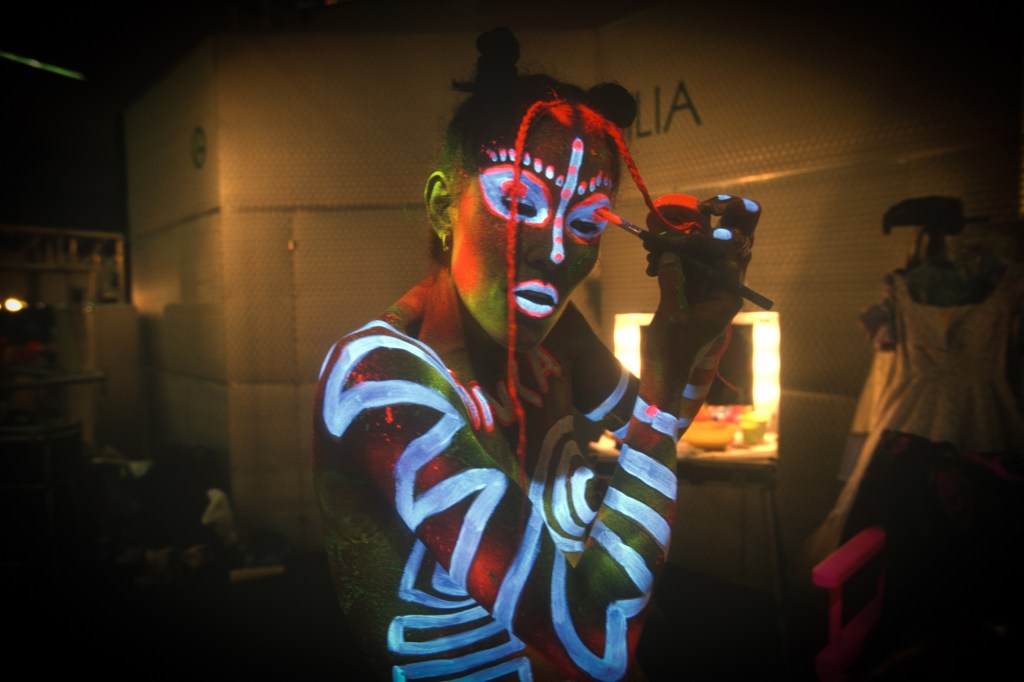
Italian fashion — with Armani, Versace, Ferré, and many others — became both a mirror and a driving force of the social, cultural, and economic changes of a decade that celebrated image, style, and individuality as defining features of its time, while also serving as a catalyst for deeper shifts in social customs. Nightclubs turned into stages where lights, sounds, and fashion merged; subcultures clashed and blended — punk, goth, paninari — all part of a social mosaic reflecting the movements, conflicts, and aspirations of a generation eager to show itself to the world.